Caring for aging parents without burning out
Taking care of an aging mom or dad is an act of love — and a heavy load. Research on caregiver stress, warning signs of burnout, and where to find support in the US.
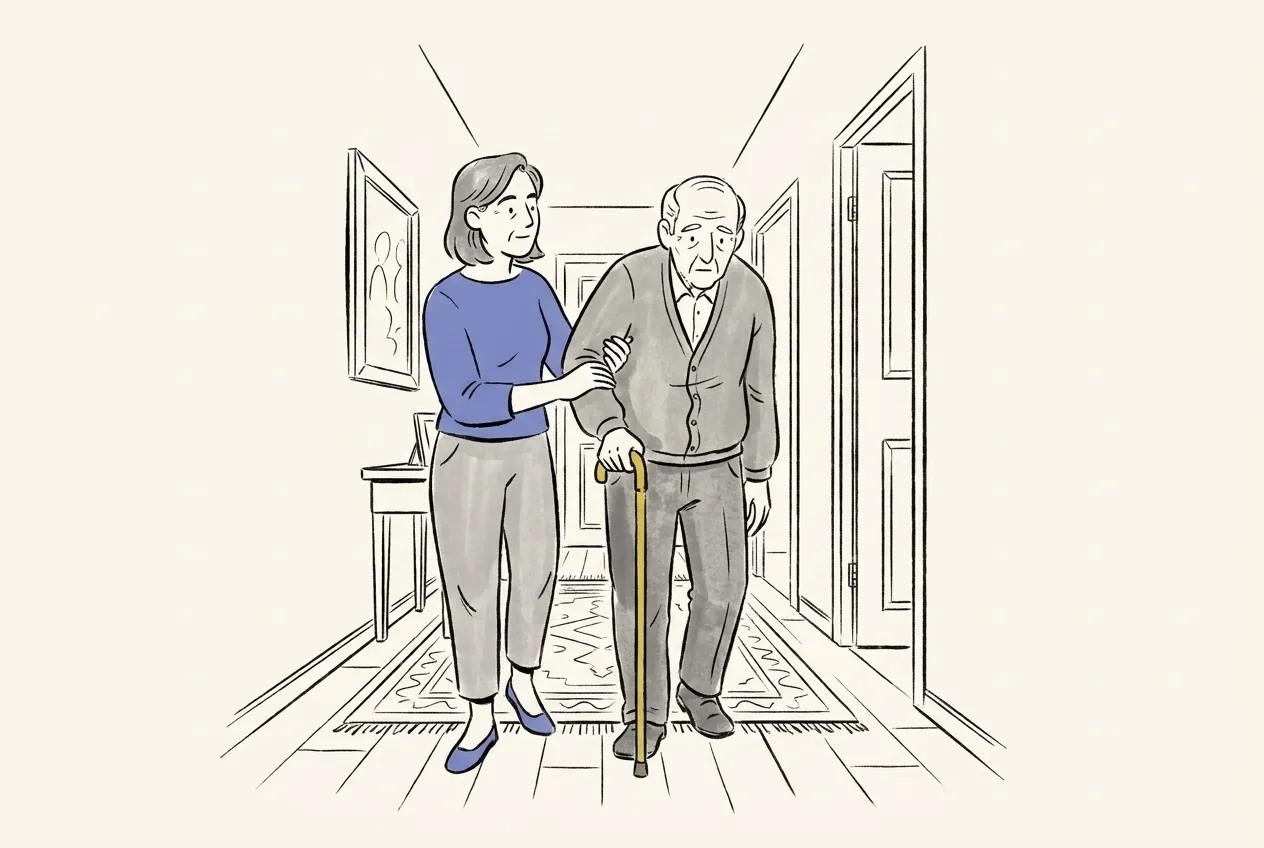
Caring for an aging parent is meaningful but stressful. Research shows family caregivers report more stress and depression and worse physical health than non-caregivers, especially when caring for someone with dementia. Sharing the load, using respite care and paying attention to your own health are not selfish — they let you keep caring for the long run.
- Family caregivers have higher stress and depression than non-caregivers on average.
- Dementia caregiving tends to be the most demanding.
- Respite, shared responsibility and support groups protect caregivers’ health.
Maybe it started with driving Mom to appointments. Then it was managing her medications, then checking in every evening, then worrying all the time. Millions of Americans are in the same place: caring for an aging parent while juggling jobs, kids and their own lives.
What research shows
Martin Pinquart and Silvia Sörensen combined data from hundreds of studies comparing caregivers with non-caregivers 1. On average, caregivers had more stress and depression, lower well-being and somewhat worse physical health. The differences were largest for people caring for someone with dementia.
Richard Schulz and Paula Sherwood describe caregiving as a form of chronic stress 2: it often lasts for years, it’s unpredictable, and it can crowd out sleep, exercise and your own medical care. They also note that support and skills training can reduce the burden.
Warning signs of caregiver burnout
- Constant exhaustion, even after sleep.
- Irritability or resentment toward the person you care for.
- Pulling away from friends and things you used to enjoy.
- Getting sick more often, skipping your own checkups.
- Feeling hopeless, or thinking “I can’t do this anymore.”
How to care without burning out
- Share the load. Hold a family meeting and divide concrete tasks — finances, appointments, weekend visits. Siblings who live far away can handle bills or insurance calls.
- Use respite care. Adult day programs and short-term respite stays give you a real break.
- Find your local support. The Eldercare Locator (1-800-677-1116) and your Area Agency on Aging connect families with home help, meals and caregiver programs. Veterans’ families can ask the VA about its Caregiver Support Program.
- Join a support group. Talking with people who “get it” reduces isolation. The Alzheimer’s Association runs a 24/7 helpline at 1-800-272-3900.
- Plan ahead. Talk with your parent about their wishes, health care proxy and power of attorney while they can still decide.
- Guard your basics: sleep, movement, your own doctor visits.
Accepting your limits
At some point, a parent may need more care than family can safely give. Moving to assisted living or a nursing home isn’t abandonment. It can be the most caring choice for everyone.
If caregiving stress turns into depression or hopelessness, reach out. Call or text 988 any time.
Frequently asked questions
I feel guilty when I take time for myself. Is that normal?
Very normal. But burned-out caregivers can’t give good care. Rest is part of caregiving, not a betrayal of it.
Where can I find help in my area?
Call the Eldercare Locator at 1-800-677-1116 or dial 211. Your local Area Agency on Aging can connect you with respite care, home help and caregiver programs.
Sources
- Pinquart, M., & Sörensen, S. (2003). Differences between caregivers and noncaregivers in psychological health and physical health: A meta-analysis. Psychology and Aging, 18(2), 250–267. doi:10.1037/0882-7974.18.2.250
- Schulz, R., & Sherwood, P. R. (2008). Physical and Mental Health Effects of Family Caregiving. AJN, American Journal of Nursing, 108(9), 23–27. doi:10.1097/01.NAJ.0000336406.45248.4c
Evidence-based · Human-centered · Practical — how we write and fact-check our articles.
This article is for educational purposes and does not replace advice from a licensed professional. We cite original research and update articles when new evidence appears. Spotted an error? Let us know — see our editorial policy.
If you or someone you love is in crisis, call or text 988 (Suicide & Crisis Lifeline). Veterans: dial 988, then press 1.