
Relationships
How to respond to your partner’s good news
How you react when your partner gets a promotion or finishes a race matters more than you think. Research on “capitalization” shows what strengthens a relationship.
Marriages don’t run on feelings alone. They run on everyday habits: how we argue, how we notice each other, how we handle stress, kids and change. Here is what science knows about strong couples — and about getting through the hard seasons.
Short guides to psychological ideas: what they mean, where they come from and what the research says.
How you react when your partner gets a promotion or finishes a race matters more than you think. Research on “capitalization” shows what strengthens a relationship.
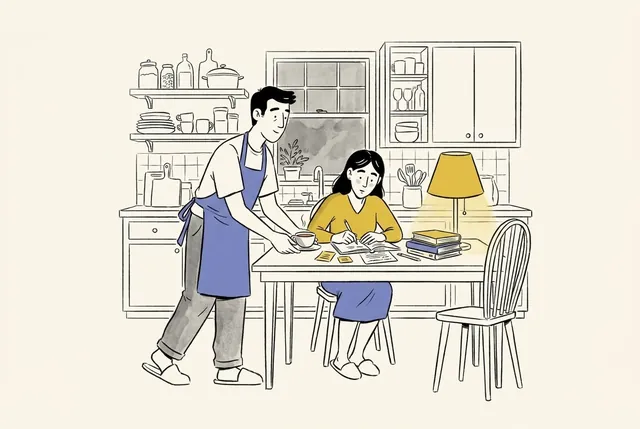
Not all support helps. Research shows that some well-meant help backfires — and that the best support is often invisible.
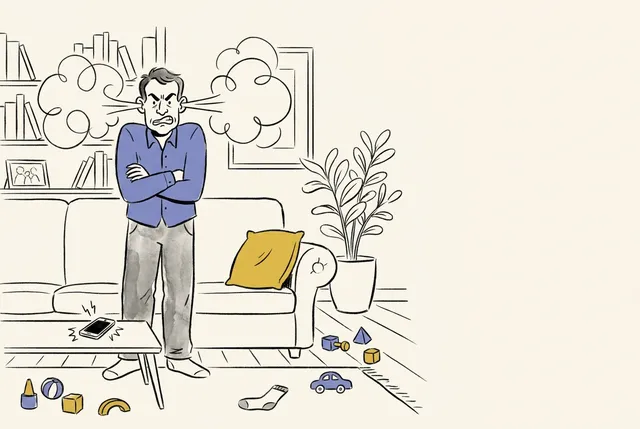
Every couple argues. What predicts divorce is how. Here’s what John Gottman’s research found about the “Four Horsemen” and their antidotes.
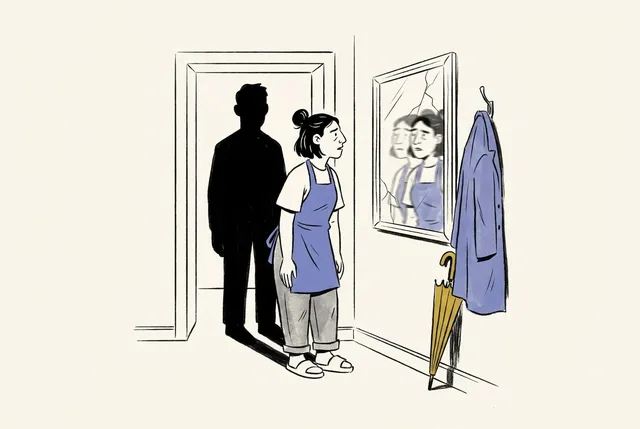
“That never happened.” “You’re too sensitive.” Gaslighting makes you doubt your own memory and perception. Here’s how to recognize it and protect yourself.
Remembering the dentist, noticing the kids need new shoes, planning the birthday party. The mental load is real work — and it’s often unevenly shared.
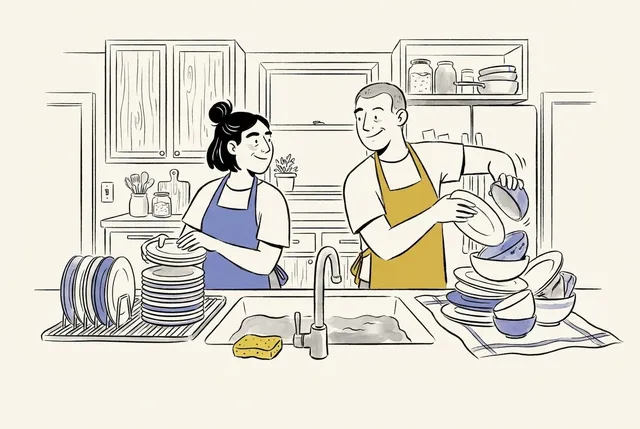
Neat versus messy, saver versus spender, homebody versus social butterfly. Most couples argue about the same things for years. Here’s how to live with it well.
Every couple argues. Research shows what separates healthy conflict from the kind that wears a marriage down — and how to argue so you end up closer.
Secure, anxious or avoidant: how early bonds shape the way we love as adults, what research says about attachment in marriage, and whether your style can change.
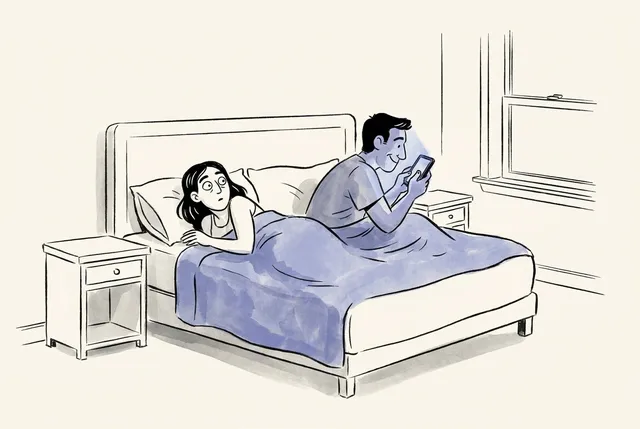
Late-night texts, secret confidences, a “work spouse.” When does a close friendship become an emotional affair — and why does it hurt so much?
Words, time, gifts, acts of service, touch. Everyone knows the five love languages, but researchers have tested the theory — and the results are surprising.
In crisis? Call or text 988 (Suicide & Crisis Lifeline). Veterans and service members: dial 988, then press 1. More resources on our Get help now page.