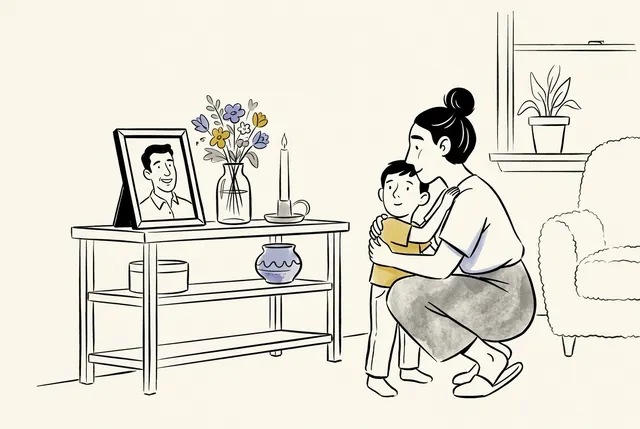
Military families
How to support a child whose parent died in military service
Losing a mom or dad in the military is a profound loss. Research on bereaved children shows what helps them grieve — and when to get extra support.
Military service shapes the whole family — the spouse holding things together at home, the kids counting the days, the veteran finding a way back to civilian life. Here: what research shows about deployment, reintegration, trauma and grief, and where to find help.
Short guides to psychological ideas: what they mean, where they come from and what the research says.
Losing a mom or dad in the military is a profound loss. Research on bereaved children shows what helps them grieve — and when to get extra support.
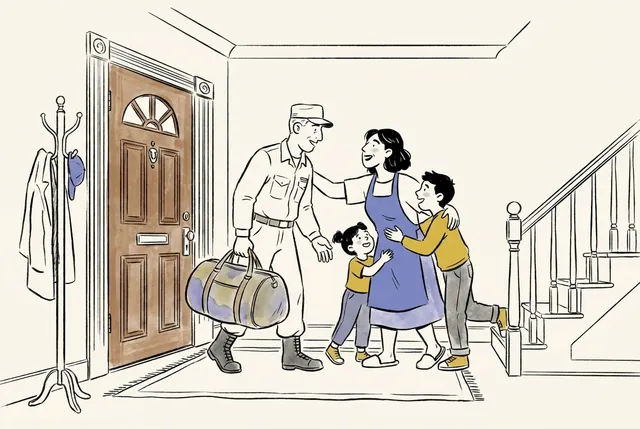
The homecoming is a joyful moment — and the start of a hard adjustment. Research shows what military families face after deployment and what helps.
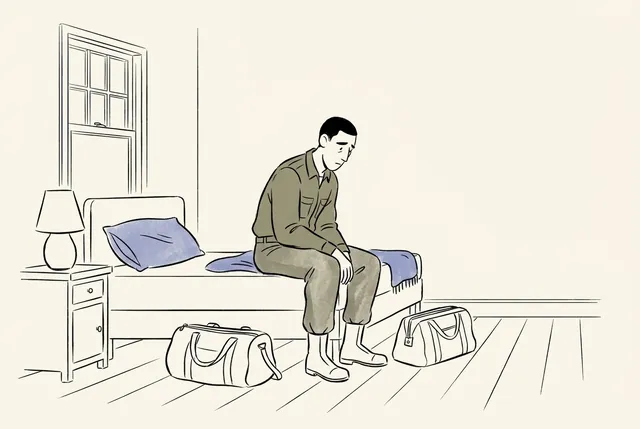
Guilt, shame and a broken sense of right and wrong after war. Moral injury is different from PTSD — and it needs a different kind of healing.
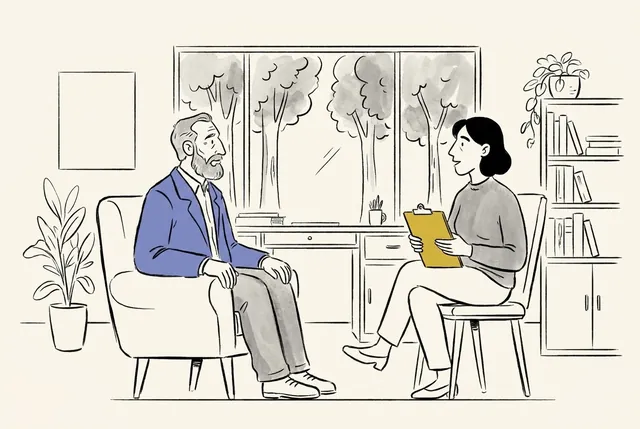
PTSD is treatable. Here’s what research shows about Prolonged Exposure, Cognitive Processing Therapy, EMDR and medication — and how families can support recovery.
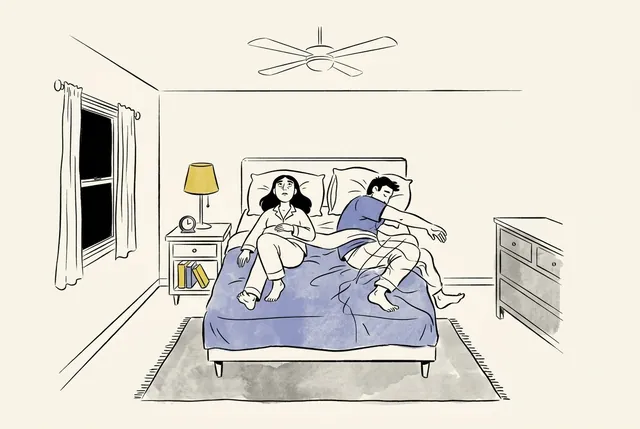
Living with someone who has PTSD can take a toll. Research shows partners and children of veterans with PTSD often have trauma symptoms and distress of their own.
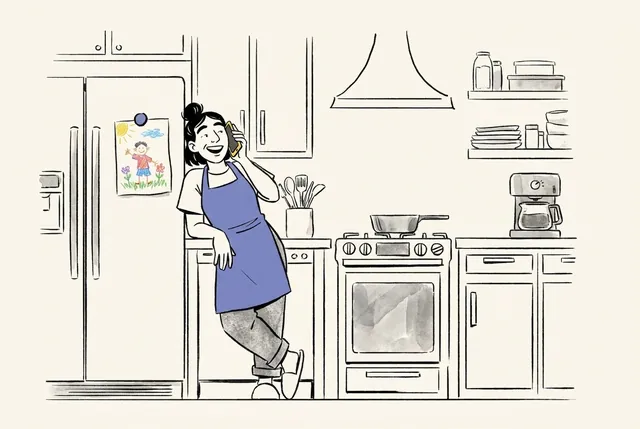
Calls, video chats, messages, care packages. Research shows communication during deployment matters for service members — and that the quality of the relationship shapes its effect.
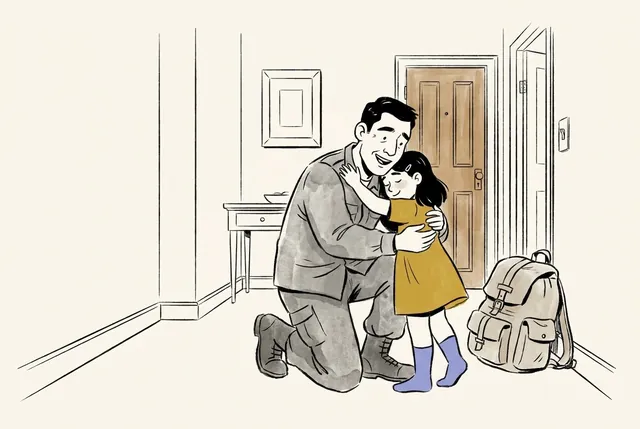
A parent’s deployment shakes a child’s world. Research on military kids shows what helps them cope — and how to talk about it at every age.
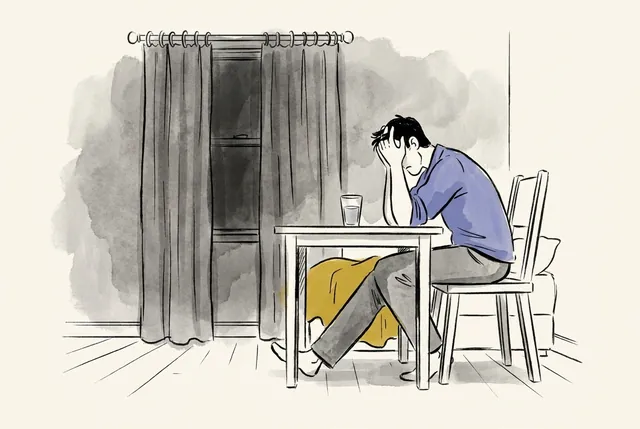
Headaches, memory problems, irritability, sensitivity to light and noise. Here’s what research says about mild traumatic brain injury in service members, recovery, and how families can help.
Combat deployment is linked to new heavy drinking, especially among younger service members and the Guard and Reserve. Here’s how families can help — without nagging.
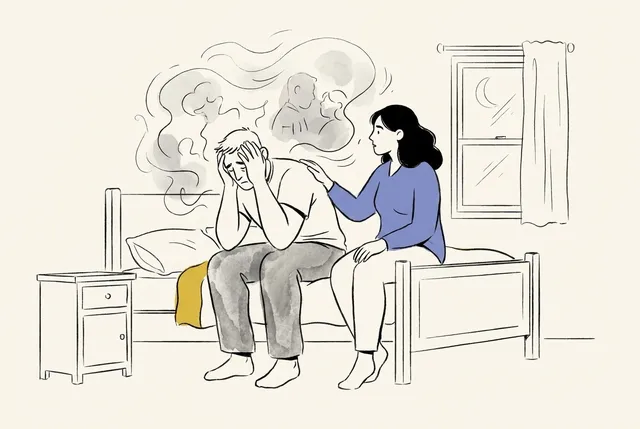
Nightmares, flashbacks, always being on guard, pulling away from loved ones. Here’s how post-traumatic stress disorder shows up, how common it is, and what treatment works.
In crisis? Call or text 988 (Suicide & Crisis Lifeline). Veterans and service members: dial 988, then press 1. More resources on our Get help now page.