What is moral injury?
Guilt, shame and a broken sense of right and wrong after war. Moral injury is different from PTSD — and it needs a different kind of healing.
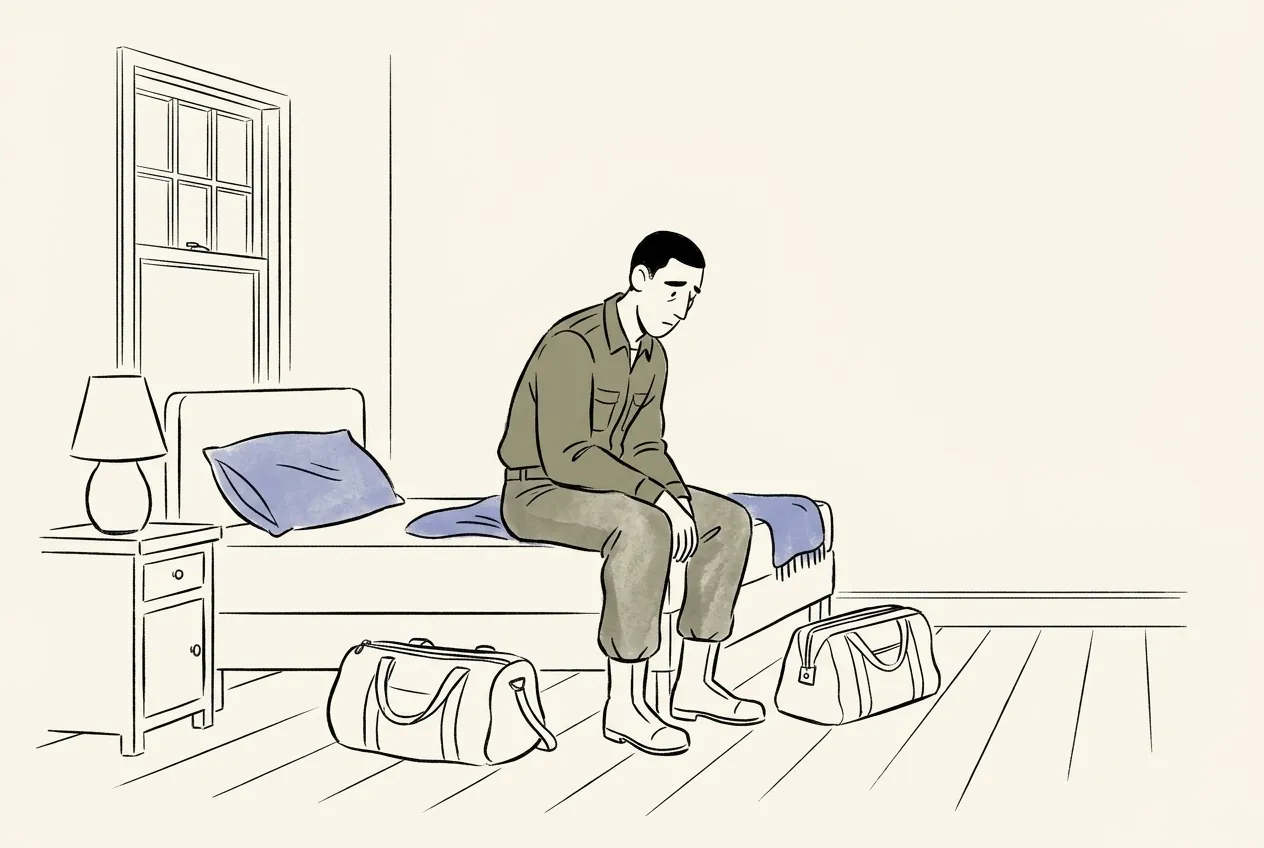
Moral injury (moral wound, moral distress) — lasting psychological, spiritual and social harm caused by perpetrating, failing to prevent, or witnessing acts that violate a person’s deeply held moral beliefs, or by being betrayed by trusted authorities.
Moral injury is the deep guilt, shame and loss of trust that can follow doing, failing to prevent or witnessing something that violates your core sense of right and wrong — or being betrayed by leaders you trusted. Unlike PTSD, which centers on fear, moral injury centers on guilt, shame and anger. It is linked to depression and suicide risk. Healing involves making sense of what happened, self-forgiveness and reconnecting with others.
- Moral injury is about violated values, not just danger.
- Its core emotions are guilt, shame, anger and betrayal.
- It can occur with or without PTSD, and it raises the risk of depression and suicidal thoughts.
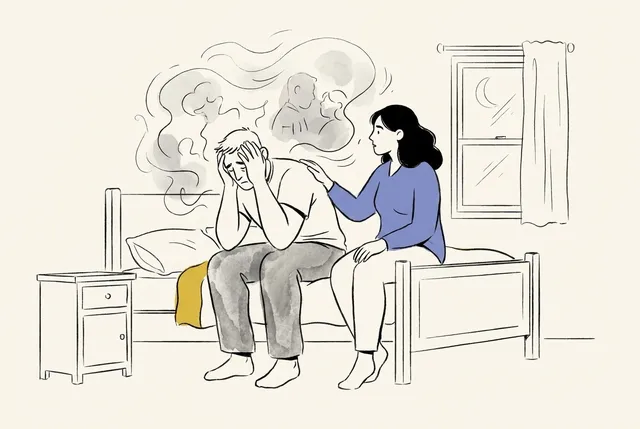
He doesn’t have nightmares about being shot at. What haunts him is the decision he made at a checkpoint, the friend he couldn’t save, the order he followed that he still can’t square with who he is. This is moral injury.
Where the concept comes from
Psychologist Brett Litz and colleagues proposed a model of moral injury in war veterans 1. They described it as the lasting harm that can follow perpetrating, failing to prevent or bearing witness to acts that violate deeply held moral beliefs. Psychiatrist Jonathan Shay, who worked with Vietnam veterans, also emphasized betrayal by trusted leaders.
In Litz’s model, moral injury leads to guilt, shame and self-condemnation, and to withdrawal from others — and the person often believes they don’t deserve to heal.
How it differs from PTSD
- PTSD centers on fear and threat: the body stays on alert for danger.
- Moral injury centers on guilt, shame, anger and a broken sense of meaning: “I’m a bad person,” “I can’t be forgiven,” “Nothing makes sense anymore.”
They often occur together but are not the same. Treatments built only around fear may not fully address moral pain.
What research shows
Brandon Griffin and colleagues reviewed the growing research on moral injury 2. Moral injury was linked to depression, PTSD symptoms, substance use, relationship problems and suicidal thoughts. It also affects spiritual life and a person’s sense of meaning.
How healing happens
- Speaking about it with someone who can listen without judgment or rushing to absolve.
- Making meaning: placing what happened in the full context of the situation.
- Self-forgiveness and repair: acts of service, amends where possible, living by your values now.
- Reconnecting with family, fellow veterans and community.
- Specialized therapies such as Adaptive Disclosure and approaches that integrate CPT or ACT, increasingly available at the VA. Chaplains trained in moral injury can also help.
For families
Your loved one may seem angry, withdrawn or convinced they don’t deserve good things. Stay present, avoid pushing for details, and encourage them toward people trained to help.
If guilt and shame come with thoughts of suicide, dial 988 and press 1, or text 838255.
Frequently asked questions
Is moral injury a mental illness?
It isn’t a formal diagnosis. It’s a recognized pattern of harm that clinicians, chaplains and researchers increasingly address.
Can moral injury happen outside the military?
Yes. Health care workers, first responders, police and others can experience moral injury, for example when they can’t provide the care they believe is right.
Sources
- Litz, B. T., Stein, N., Delaney, E., Lebowitz, L. та ін. (2009). Moral injury and moral repair in war veterans: A preliminary model and intervention strategy. Clinical Psychology Review, 29(8), 695–706. doi:10.1016/j.cpr.2009.07.003
- Griffin, B. J., Purcell, N., Burkman, K., Litz, B. T. та ін. (2019). Moral Injury: An Integrative Review. Journal of Traumatic Stress, 32(3), 350–362. doi:10.1002/jts.22362
Evidence-based · Human-centered · Practical — how we write and fact-check our articles.
This article is for educational purposes and does not replace advice from a licensed professional. We cite original research and update articles when new evidence appears. Spotted an error? Let us know — see our editorial policy.
If you or someone you love is in crisis, call or text 988 (Suicide & Crisis Lifeline). Veterans: dial 988, then press 1.