
Parenting
How to praise your child the right way
“You’re so smart” can backfire. Research by Carol Dweck and others shows which kinds of praise build motivation and resilience — and which undermine them.
Kids don’t need perfect parents. They need adults who stay close when things are hard and hold limits without shaming. Here: what’s typical at each age and how to support your child.
Short guides to psychological ideas: what they mean, where they come from and what the research says.
“You’re so smart” can backfire. Research by Carol Dweck and others shows which kinds of praise build motivation and resilience — and which undermine them.
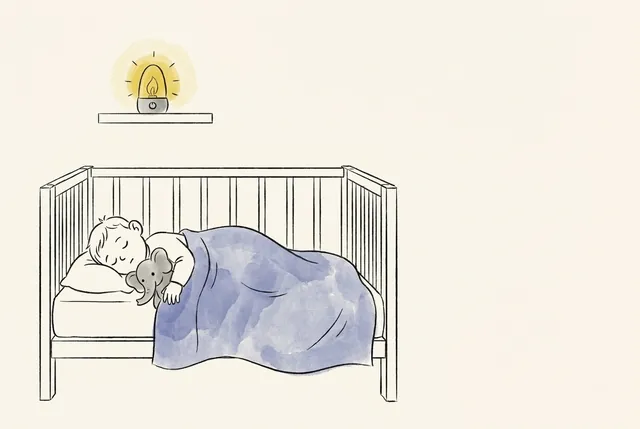
Sleep recommendations by age from the American Academy of Sleep Medicine, plus research-backed ways to solve bedtime battles and night wakings.
Is social media harming teens? Research shows a complicated picture: small effects on average, bigger risks for some teens, especially girls. Here’s what parents can do.
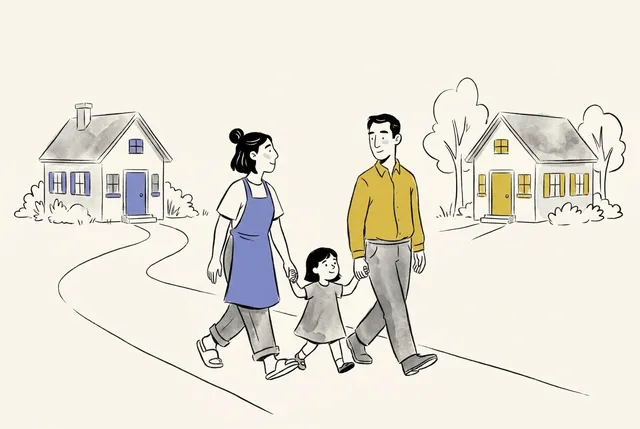
Most children of divorce do well in the long run. Research shows what protects them: low conflict, warm parenting and staying connected to both parents.
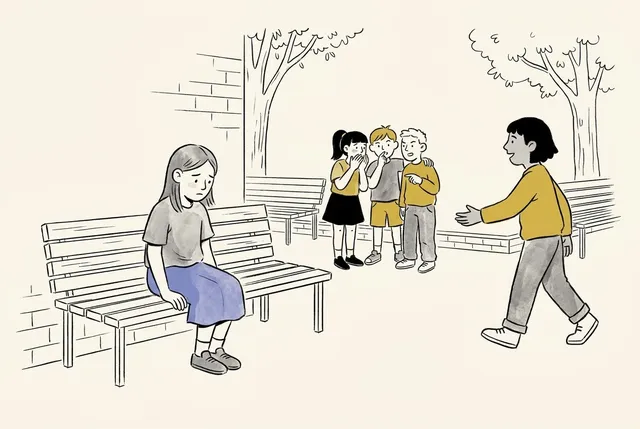
About a third of kids are involved in bullying, and its effects can last into adulthood. Here’s how to spot it, how to talk to your child, and how to work with the school.
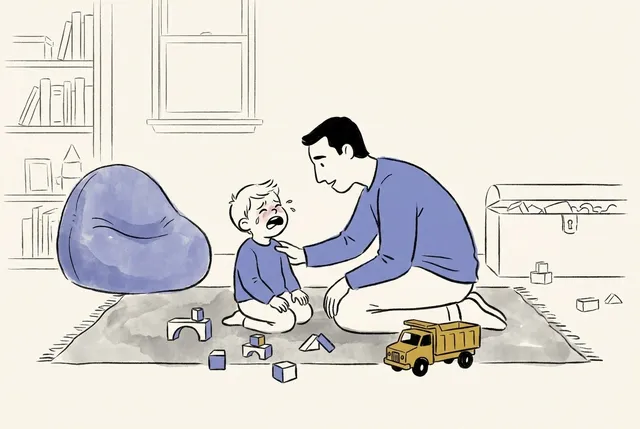
“Stop crying” rarely works. Emotion coaching teaches parents to see a child’s feelings as a chance to connect and teach. Here are the steps and the research behind them.
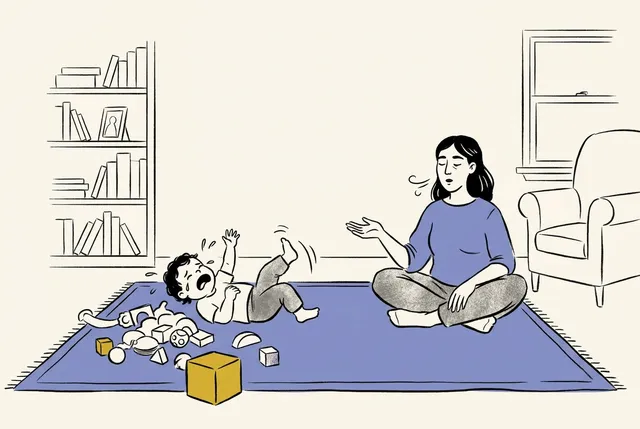
Screaming in the cereal aisle, lying on the floor at the playground. Tantrums are a normal part of toddler development. Here’s what research says and what helps.
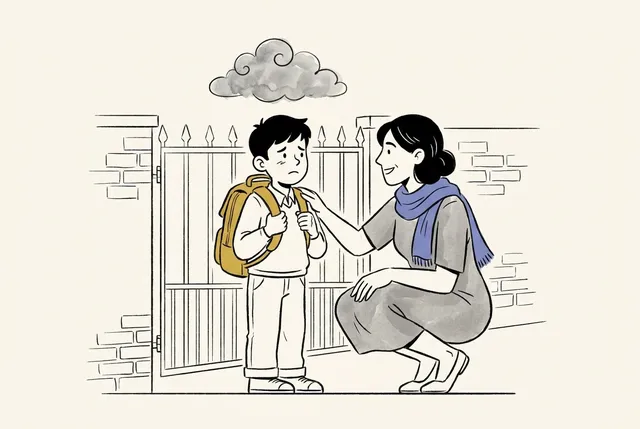
All kids worry sometimes. Here’s how to tell normal fears from an anxiety disorder, how common childhood anxiety is, and which treatments work best.
Spanking doesn’t improve behavior and is linked to more problems later. Here’s what research says works better — from positive attention to calm consequences.

From toddlers to teens, here’s what pediatric guidelines recommend, what studies show about screens and development, and how to set limits that work.
In crisis? Call or text 988 (Suicide & Crisis Lifeline). Veterans and service members: dial 988, then press 1. More resources on our Get help now page.