Family
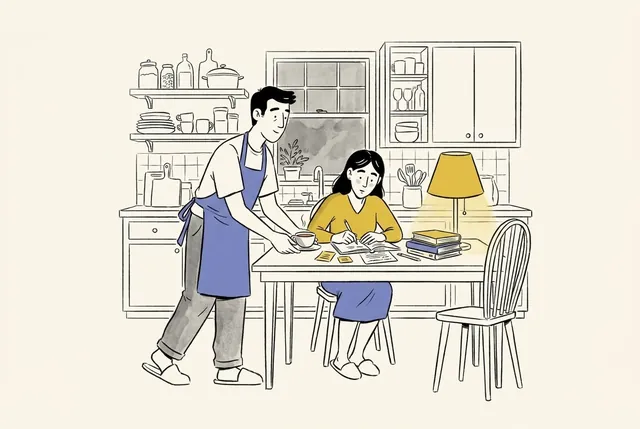
Caring for aging parents without burning out
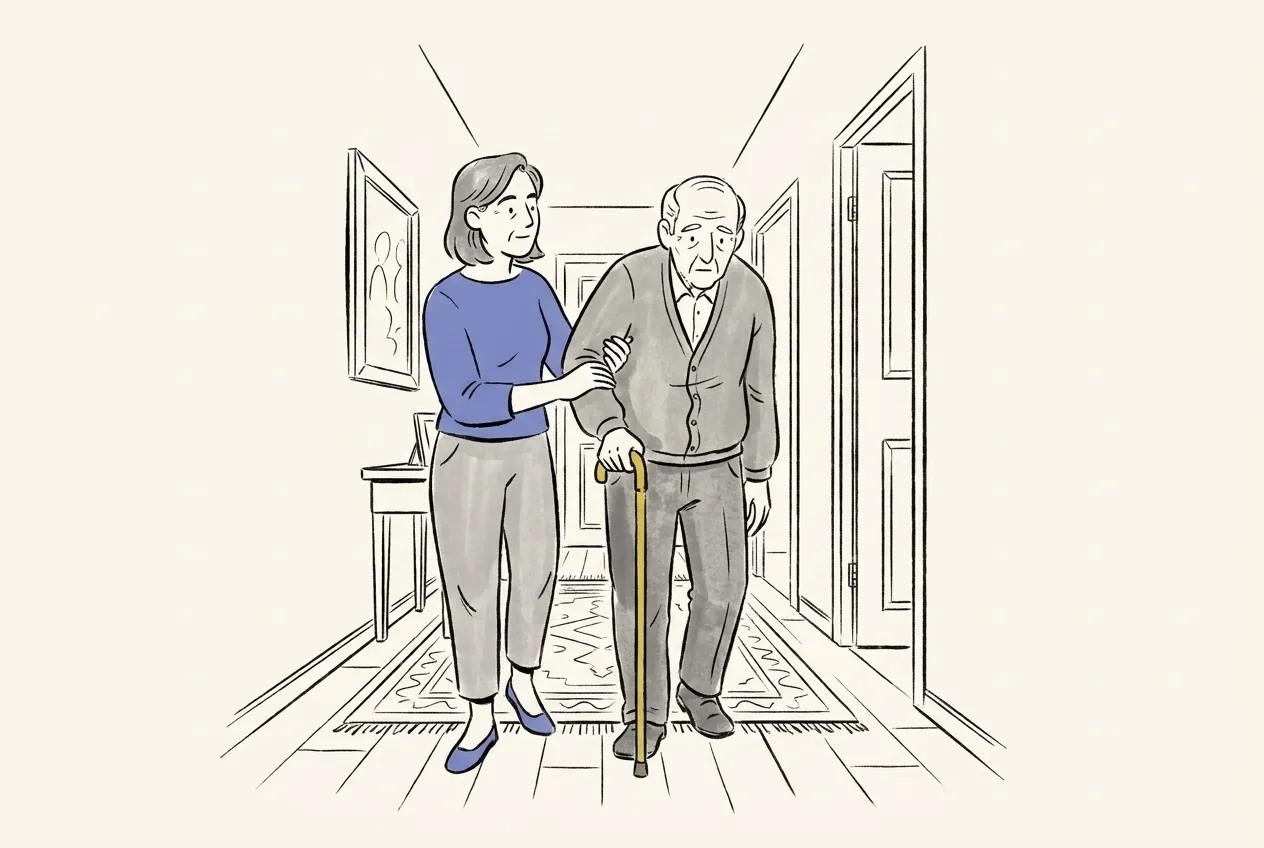
Taking care of an aging mom or dad is an act of love — and a heavy load. Research on caregiver stress, warning signs of burnout, and where to find support in the US.
Taking care of an aging mom or dad is an act of love — and a heavy load. Research on caregiver stress, warning signs of burnout, and where to find support in the US.
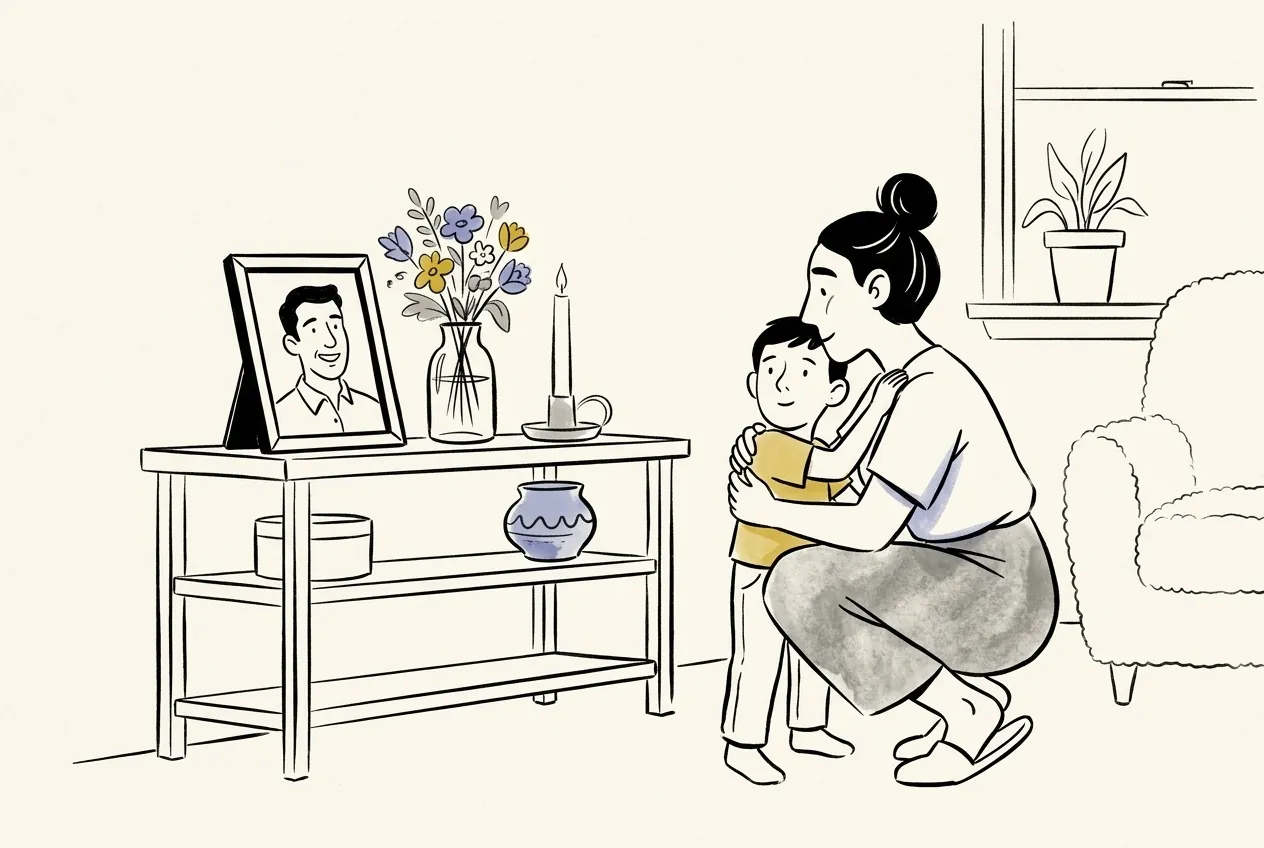
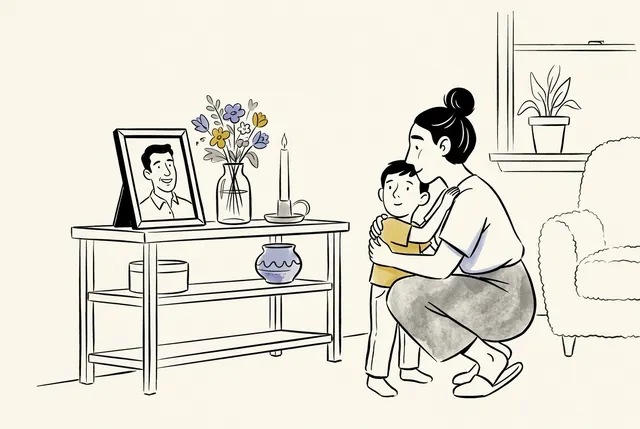
Losing a mom or dad in the military is a profound loss. Research on bereaved children shows what helps them grieve — and when to get extra support.
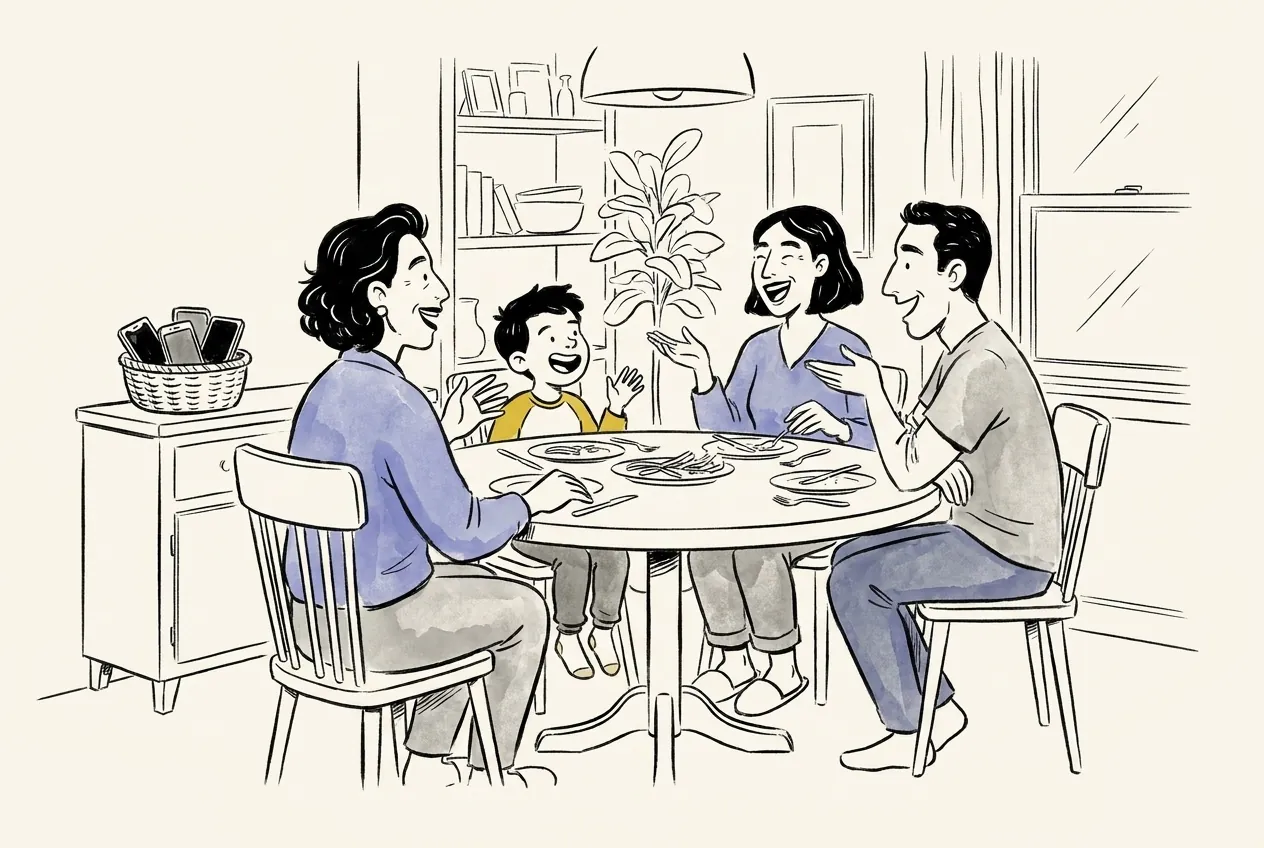
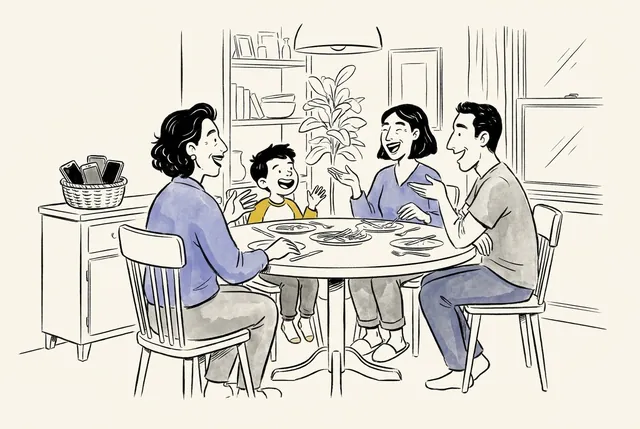
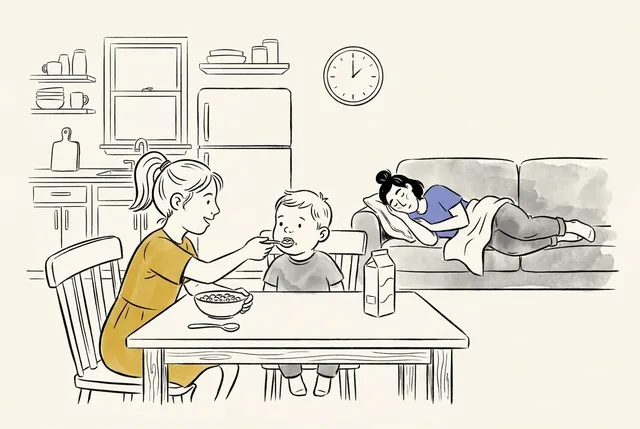
Eating together three or more times a week is linked to healthier eating and fewer eating problems in kids. Here’s what research says and how to make it work in a busy week.
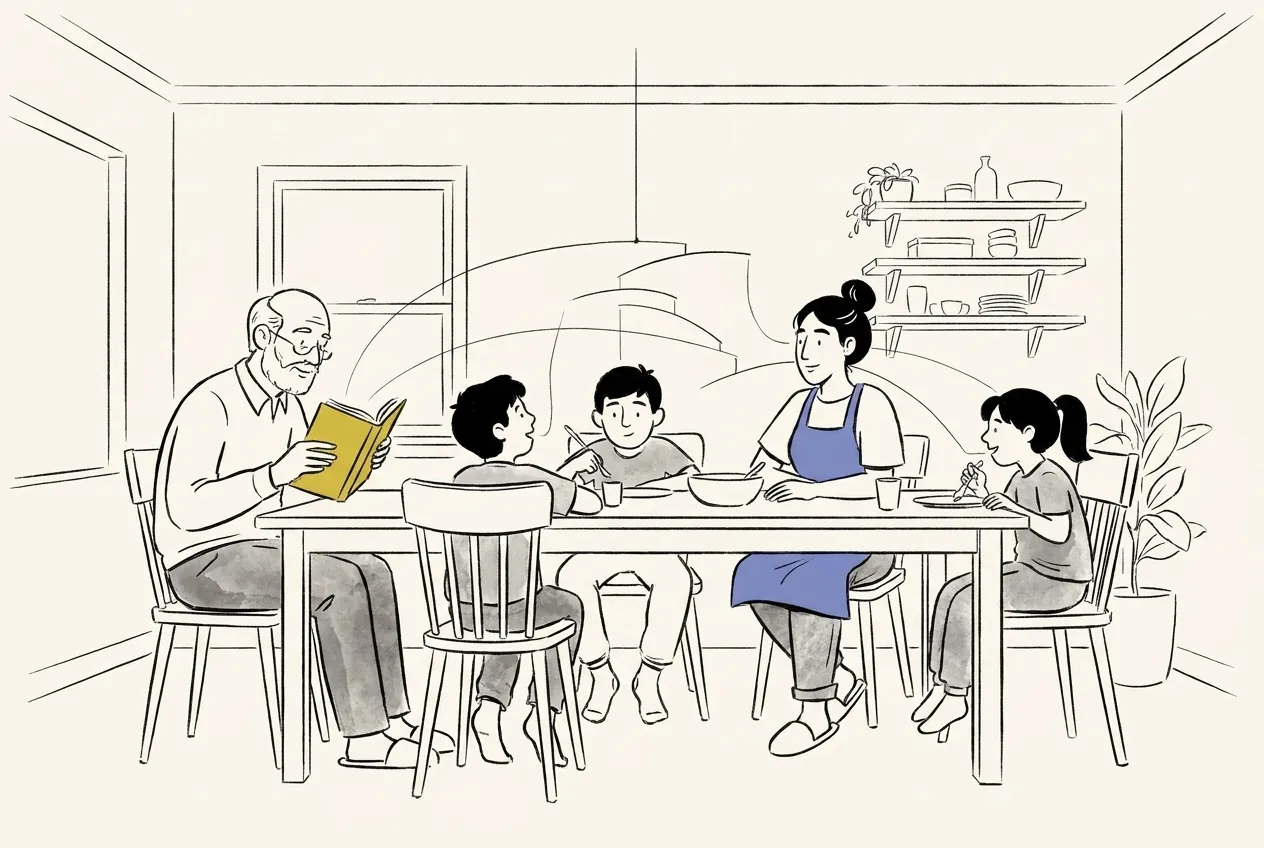
Why does one person’s stress ripple through the whole house? Family systems theory explains how roles, rules and relationships shape everyone in a family.
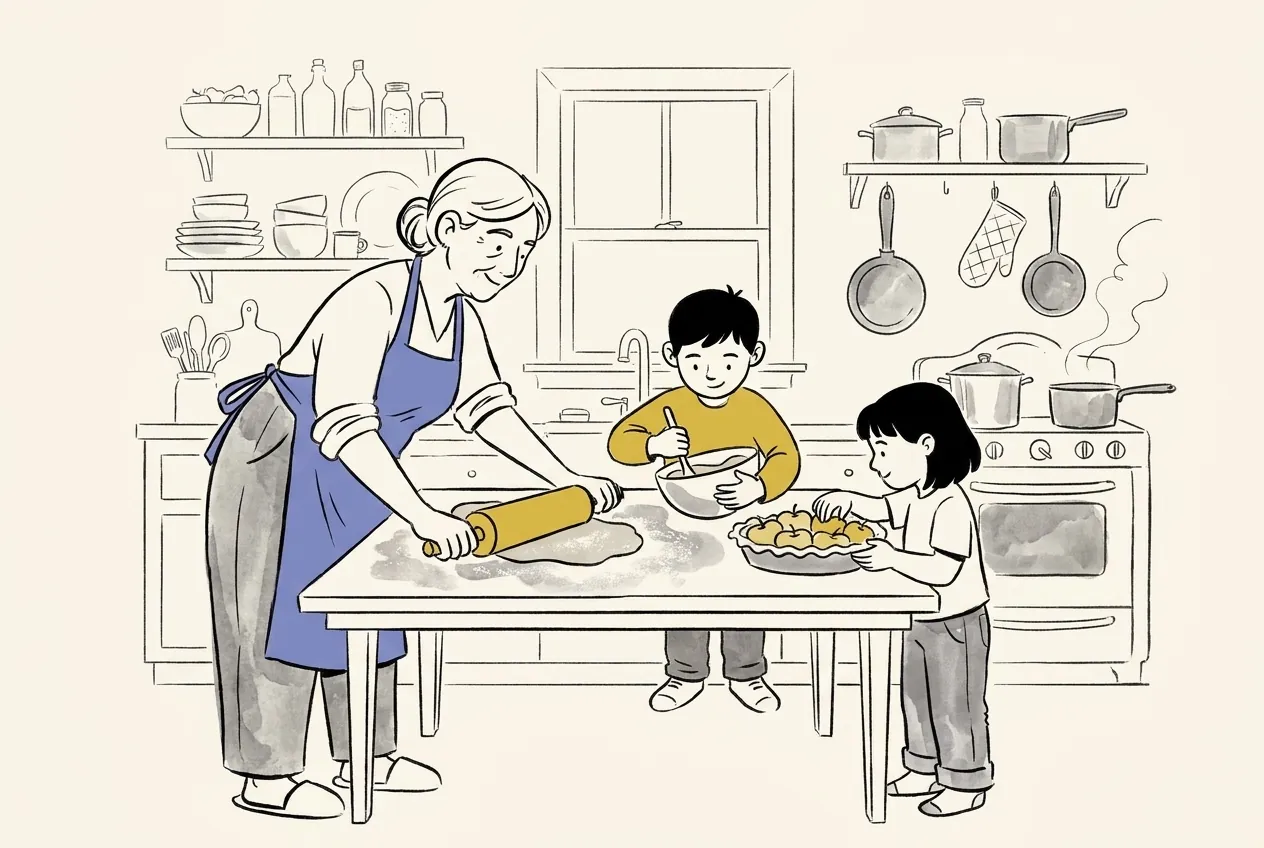
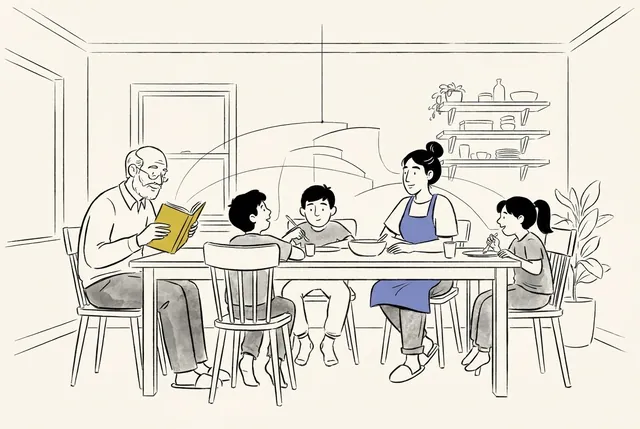
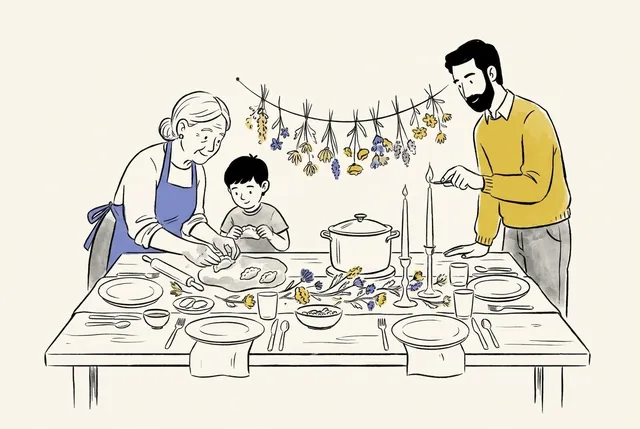
Grandparents can be a lifeline for kids and parents. Research shows their involvement helps children’s well-being — especially in single-parent and stepfamilies.
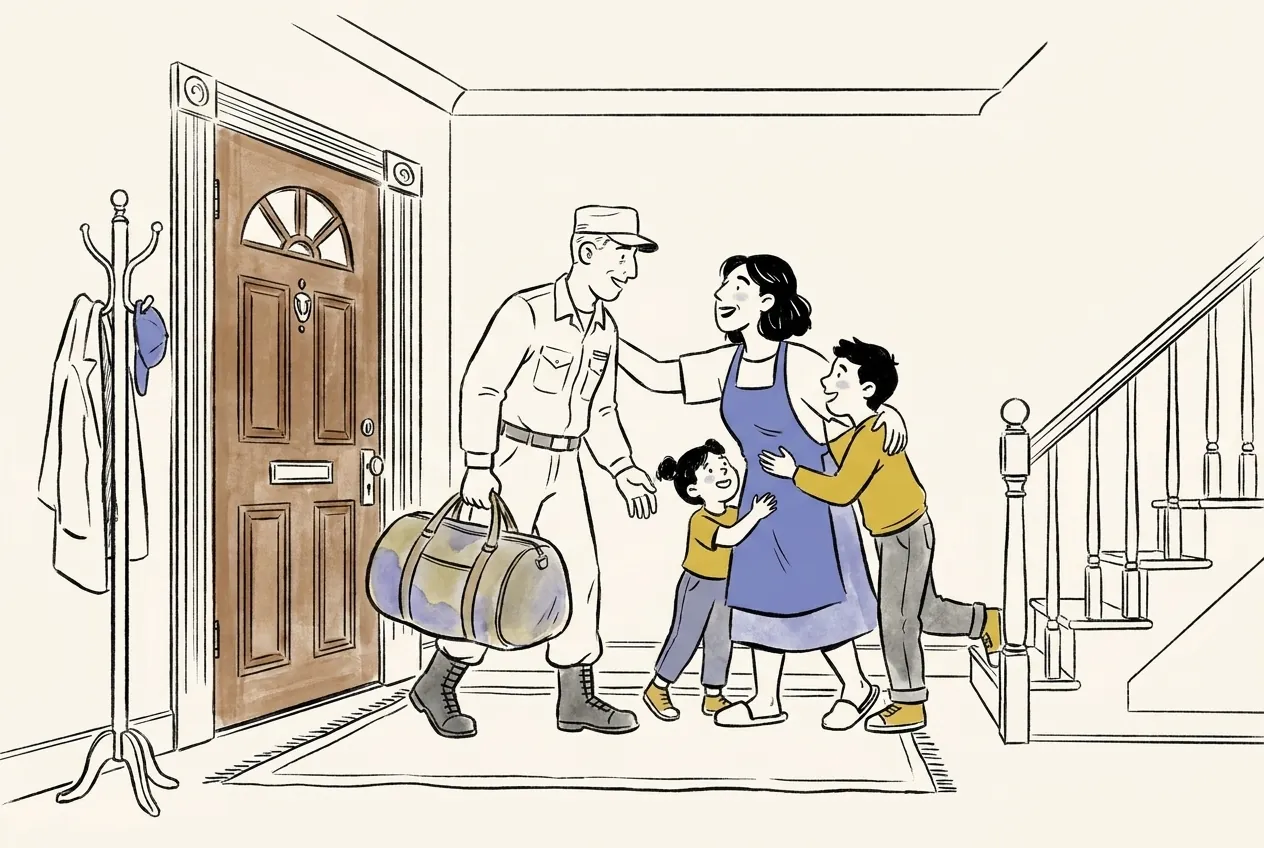
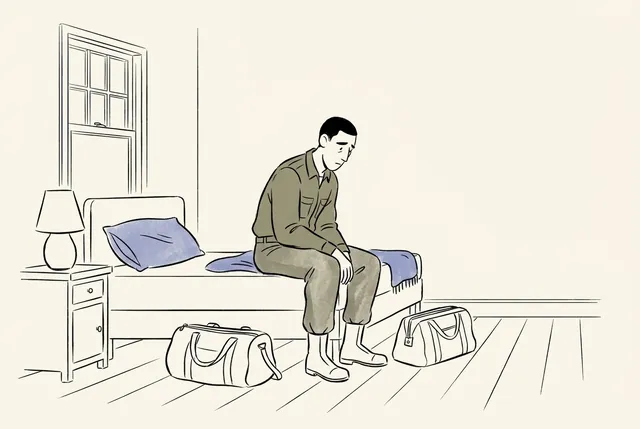
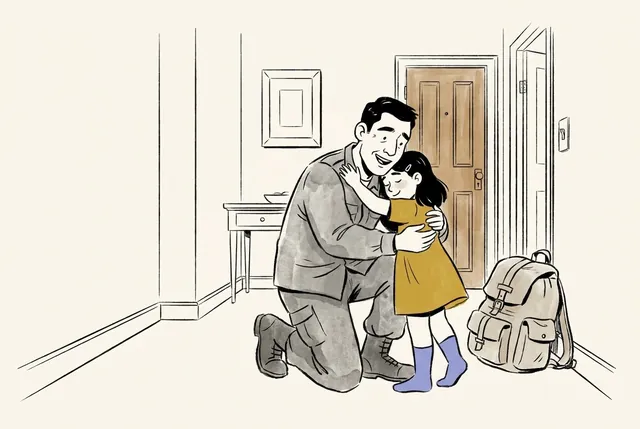
The homecoming is a joyful moment — and the start of a hard adjustment. Research shows what military families face after deployment and what helps.
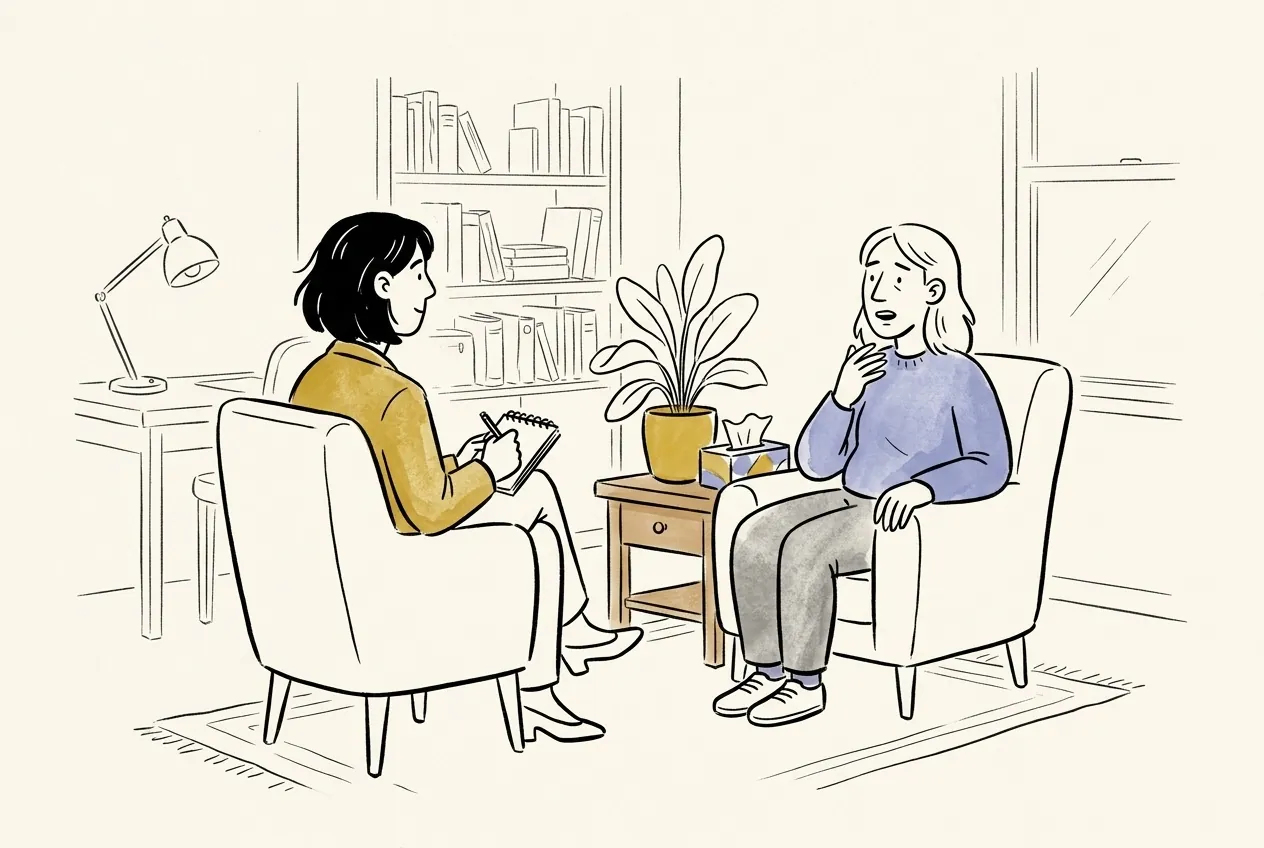
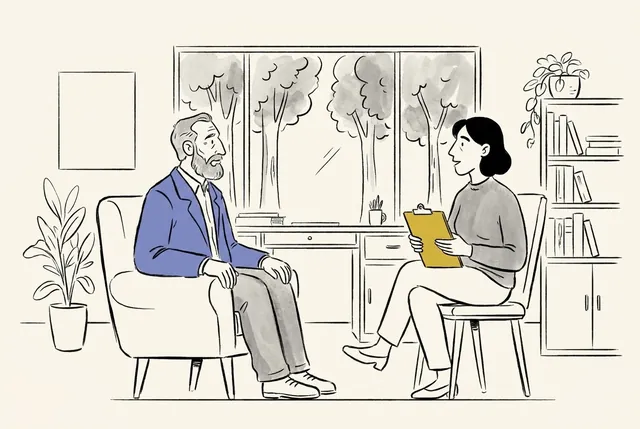
LCSW, LPC, PsyD, psychiatrist — what do the letters mean? Research shows that the relationship with your therapist matters as much as the method. Here’s how to choose.
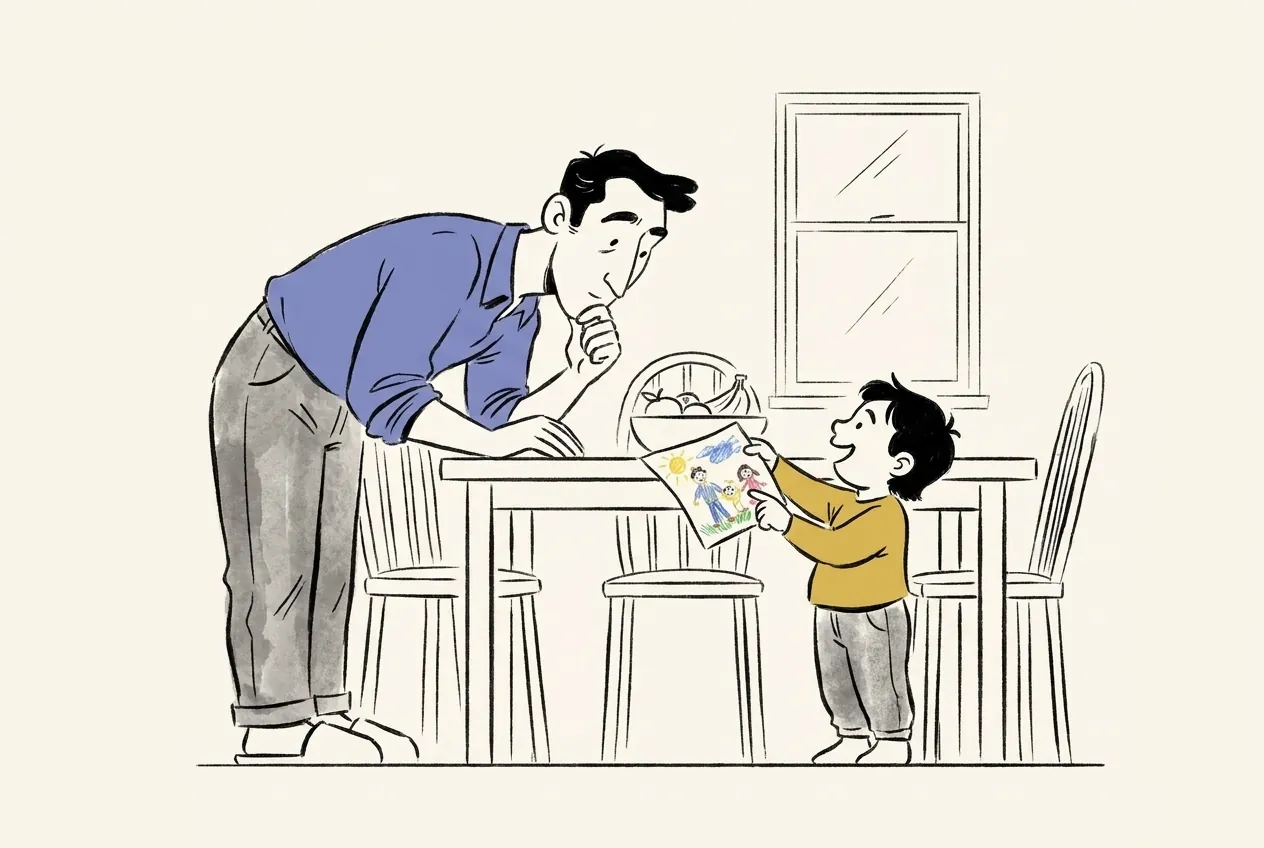
“You’re so smart” can backfire. Research by Carol Dweck and others shows which kinds of praise build motivation and resilience — and which undermine them.
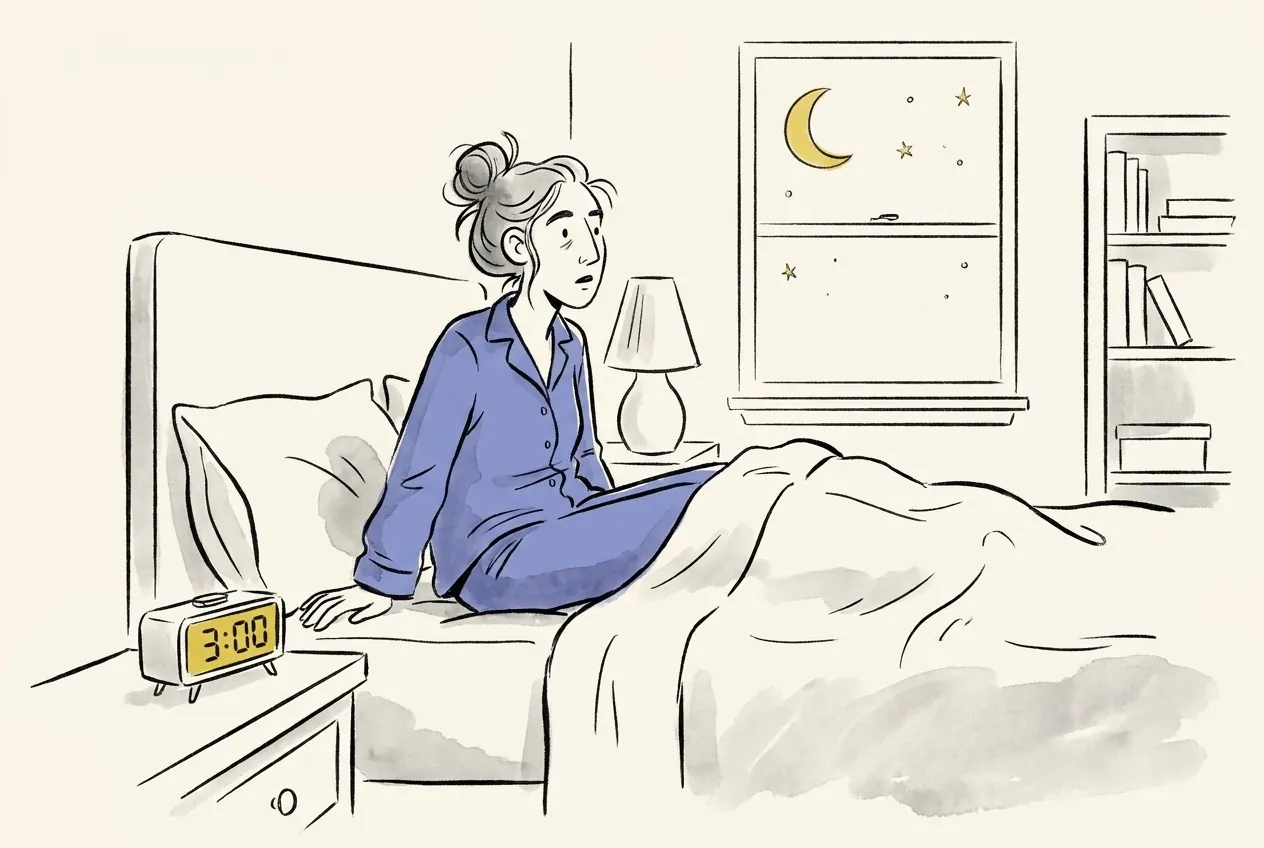
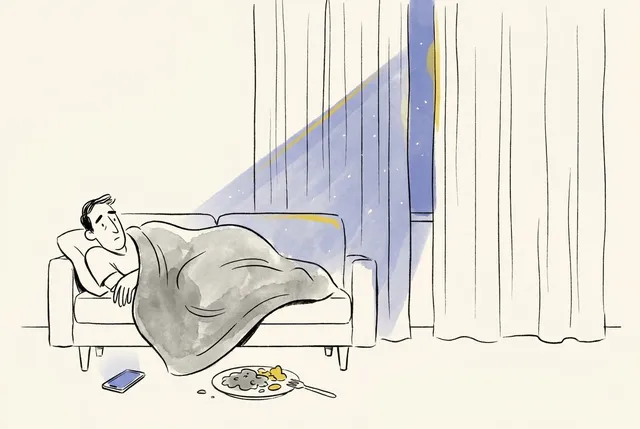
Lying awake at 3 a.m. night after night? Cognitive behavioral therapy for insomnia (CBT-I) is the recommended first-line treatment. Here’s how it works.
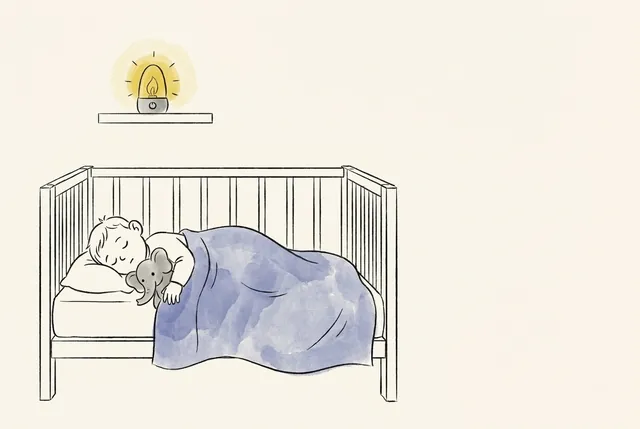
Sleep recommendations by age from the American Academy of Sleep Medicine, plus research-backed ways to solve bedtime battles and night wakings.
Guilt, shame and a broken sense of right and wrong after war. Moral injury is different from PTSD — and it needs a different kind of healing.
Cooking for siblings, comforting a depressed parent, translating bills at age ten. When a child takes on adult roles, it’s called parentification. Here’s what research says.
PTSD is treatable. Here’s what research shows about Prolonged Exposure, Cognitive Processing Therapy, EMDR and medication — and how families can support recovery.
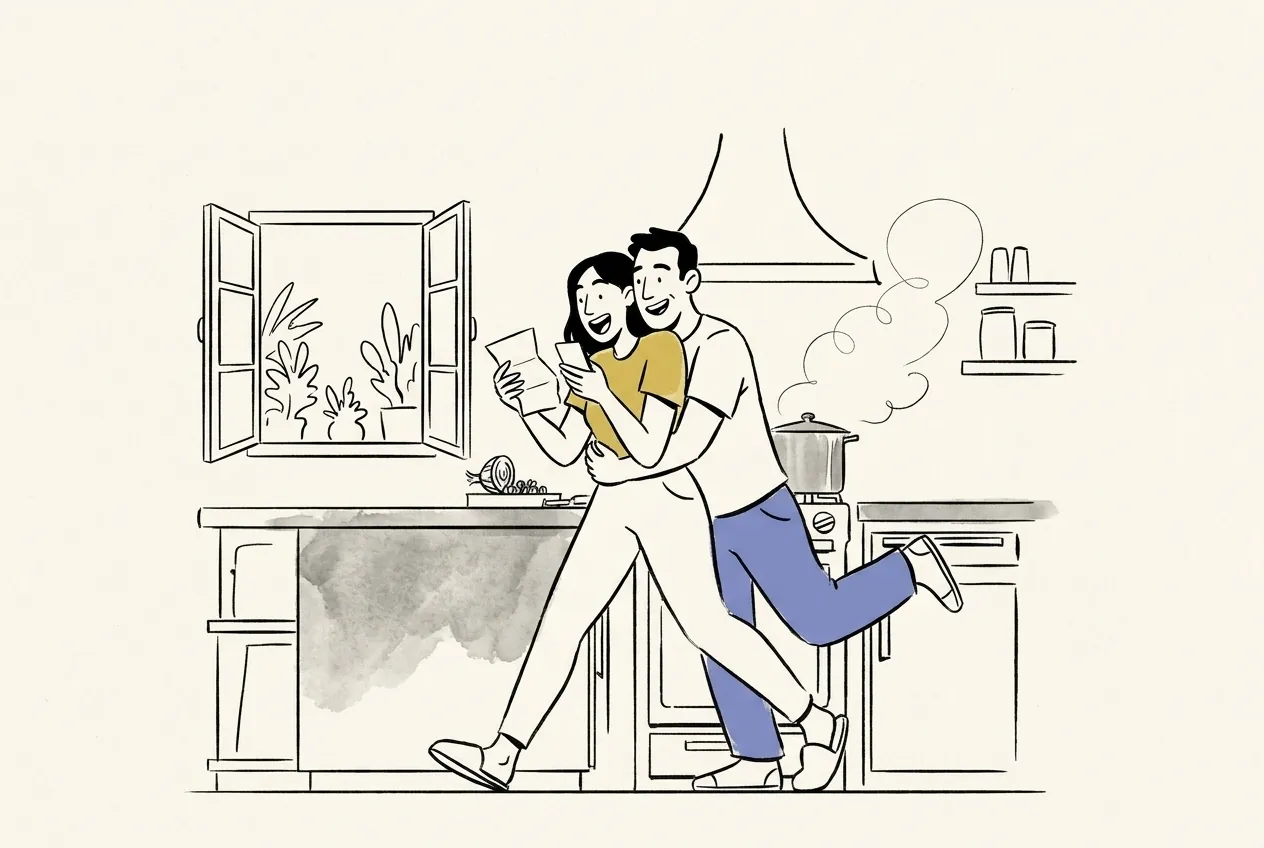
How you react when your partner gets a promotion or finishes a race matters more than you think. Research on “capitalization” shows what strengthens a relationship.
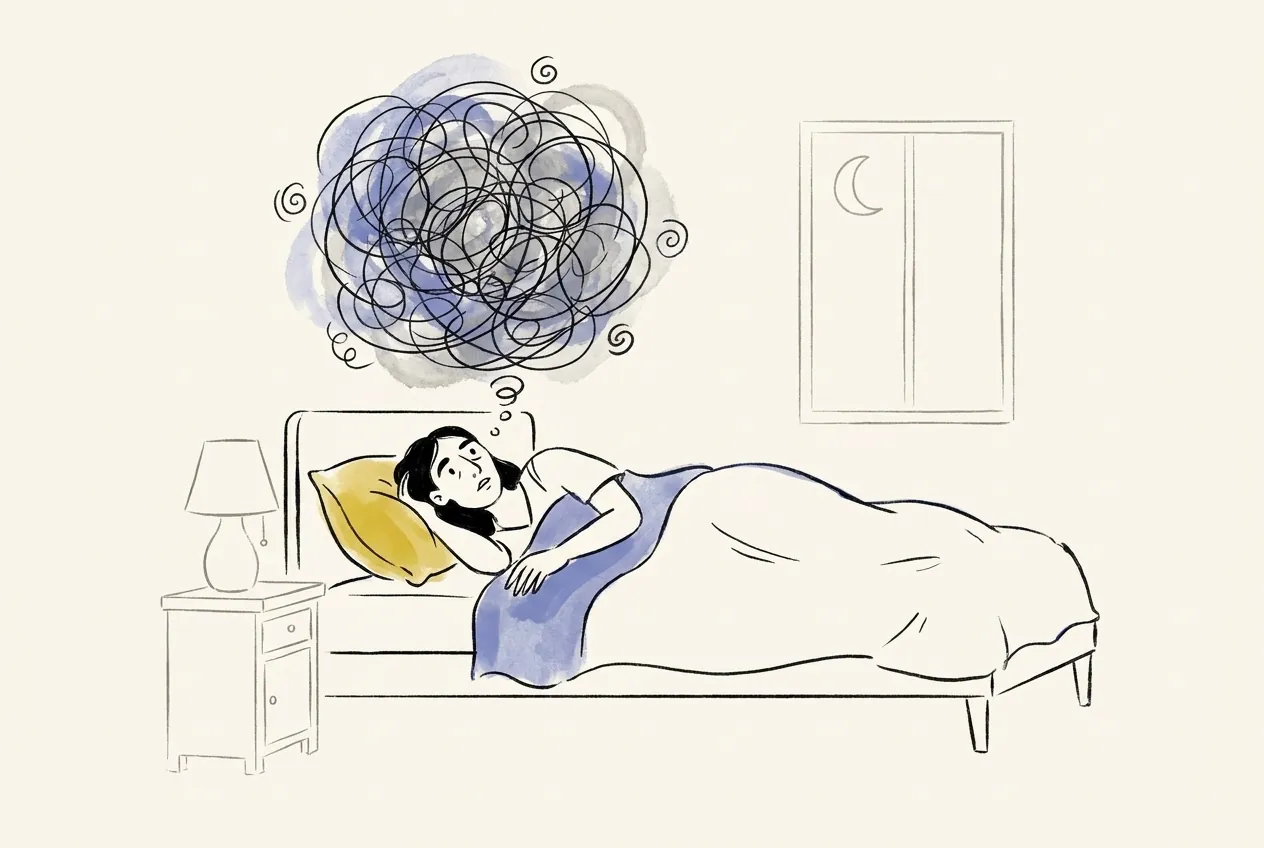
Replaying an argument for hours, asking “why me?” over and over. Rumination keeps you stuck and fuels depression. Here’s what research says and techniques that help.
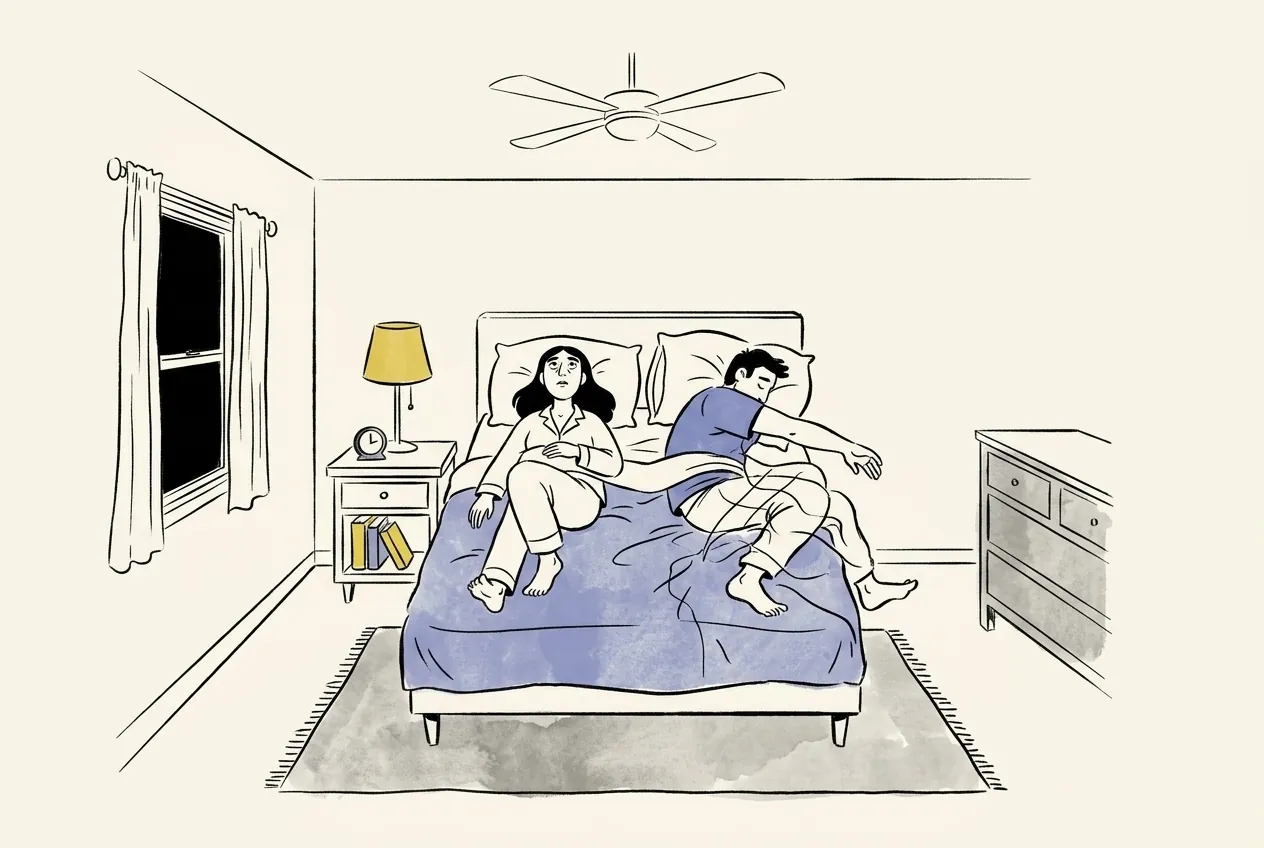
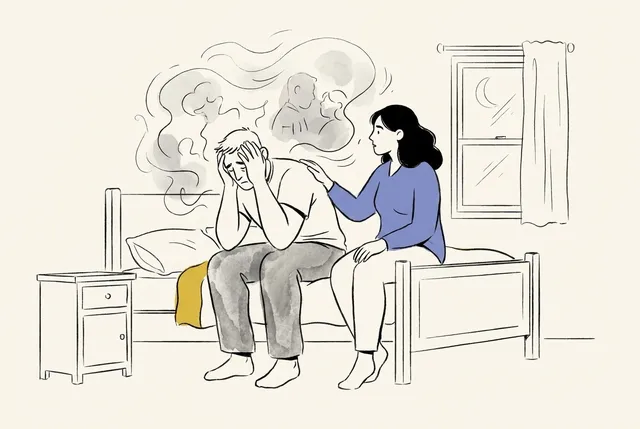
Living with someone who has PTSD can take a toll. Research shows partners and children of veterans with PTSD often have trauma symptoms and distress of their own.
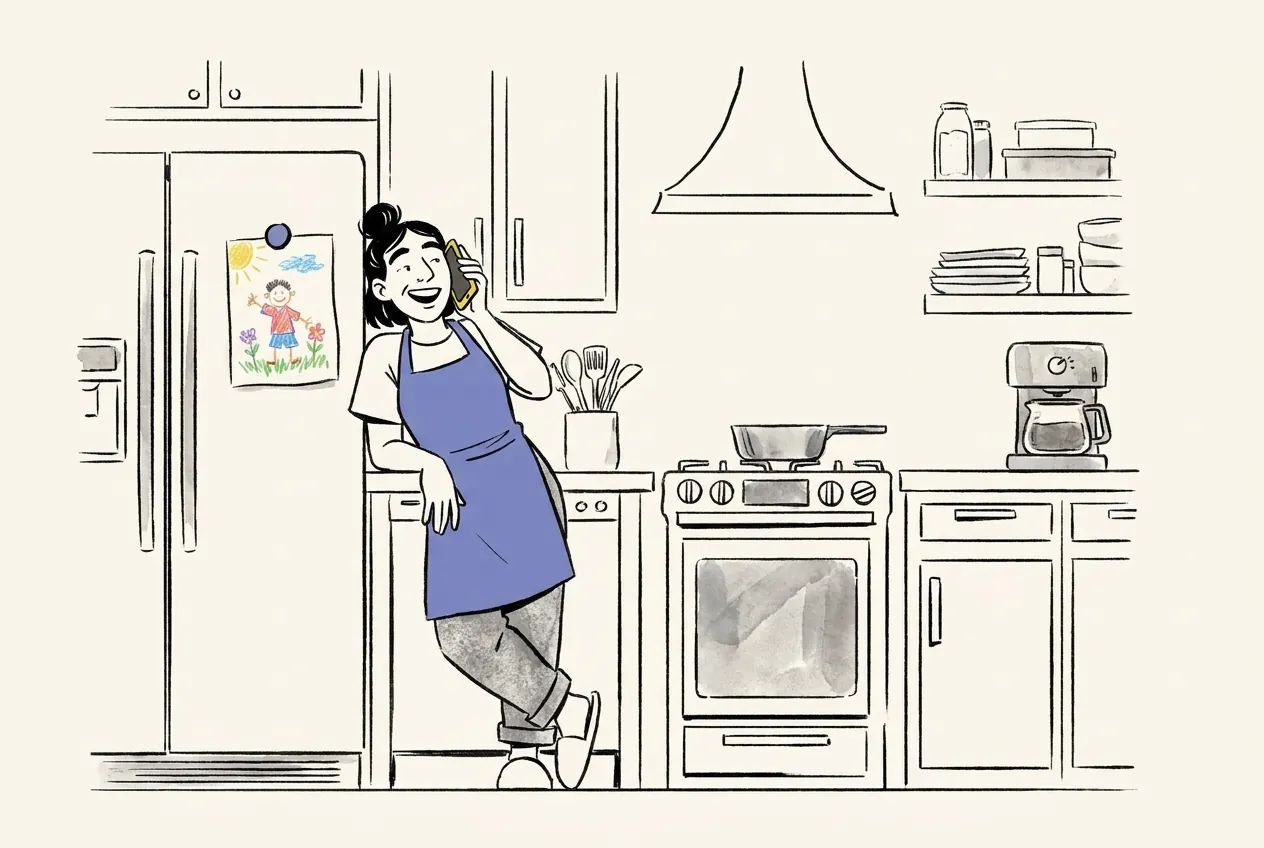
Calls, video chats, messages, care packages. Research shows communication during deployment matters for service members — and that the quality of the relationship shapes its effect.
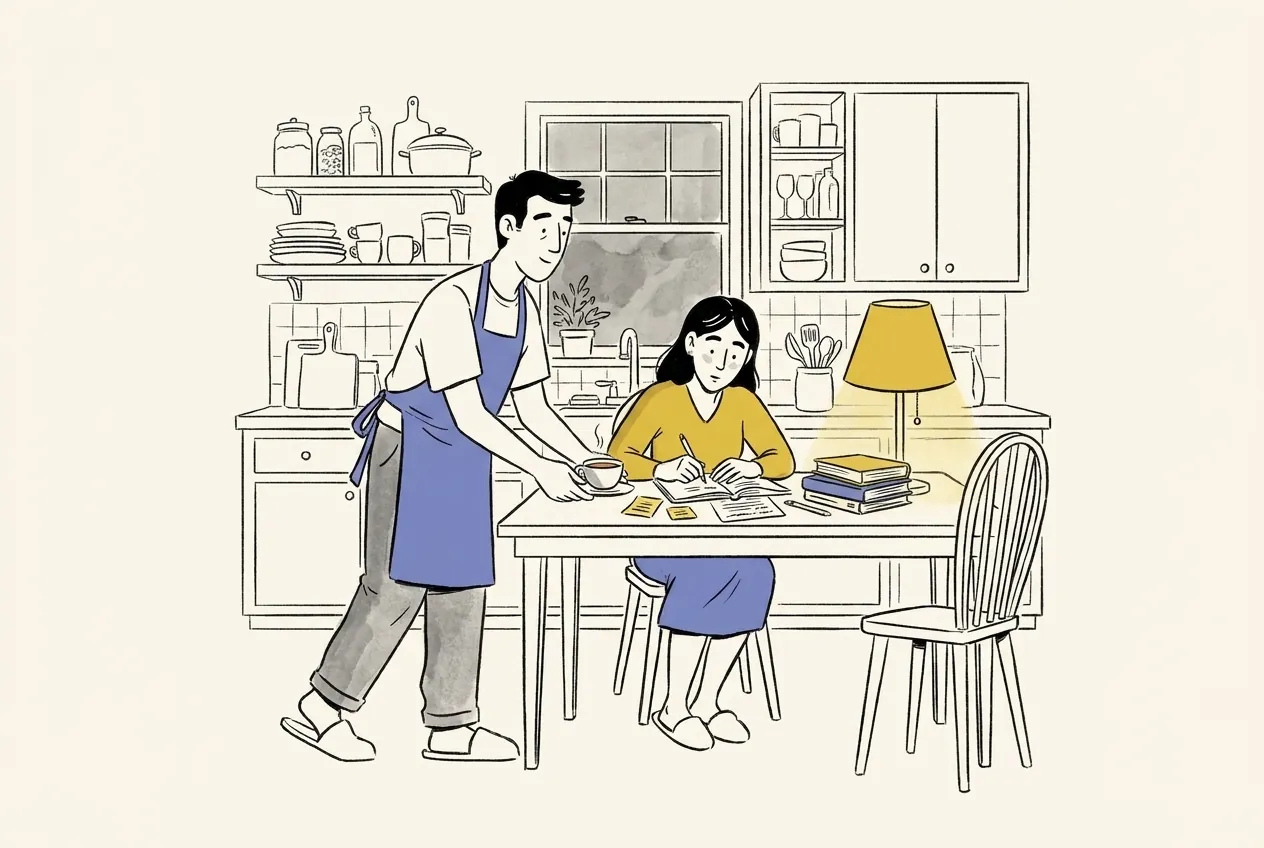
Not all support helps. Research shows that some well-meant help backfires — and that the best support is often invisible.
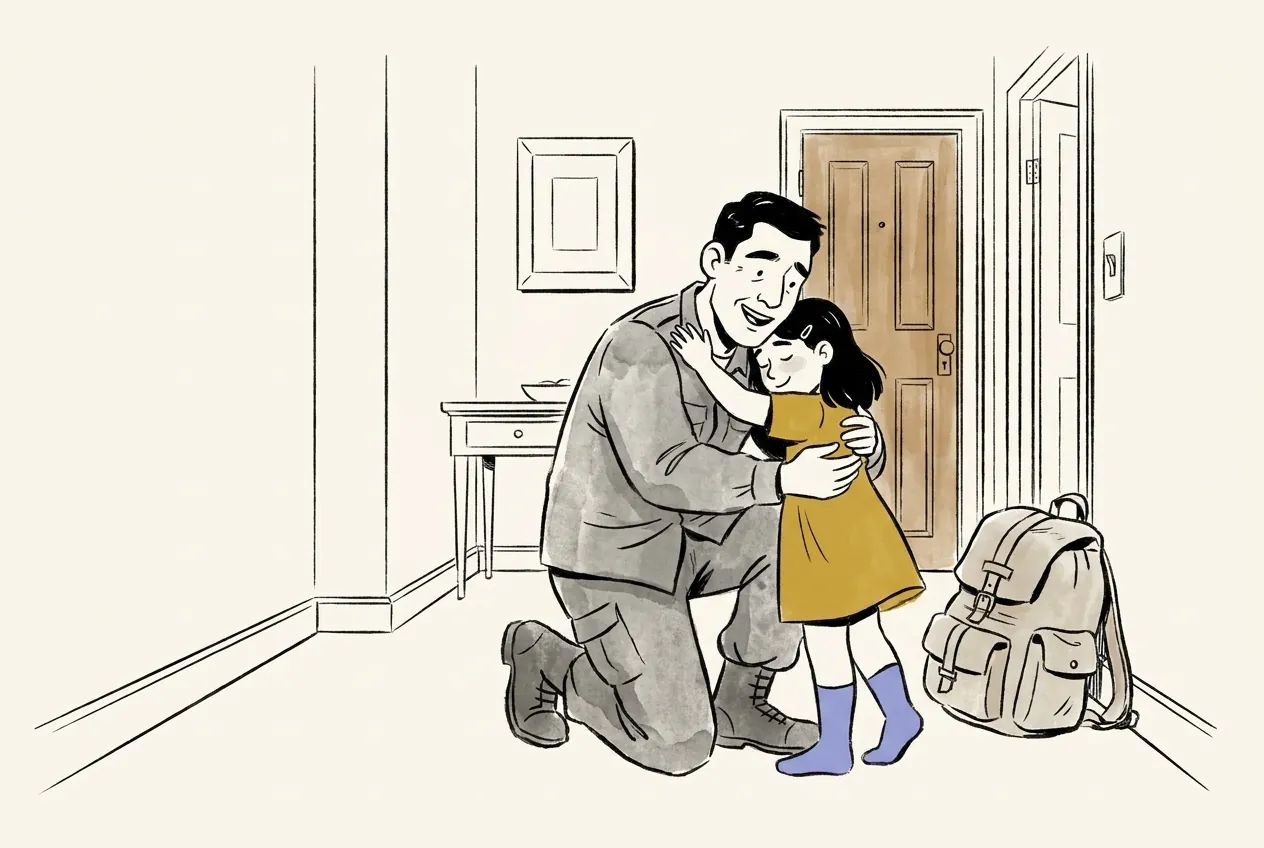
A parent’s deployment shakes a child’s world. Research on military kids shows what helps them cope — and how to talk about it at every age.
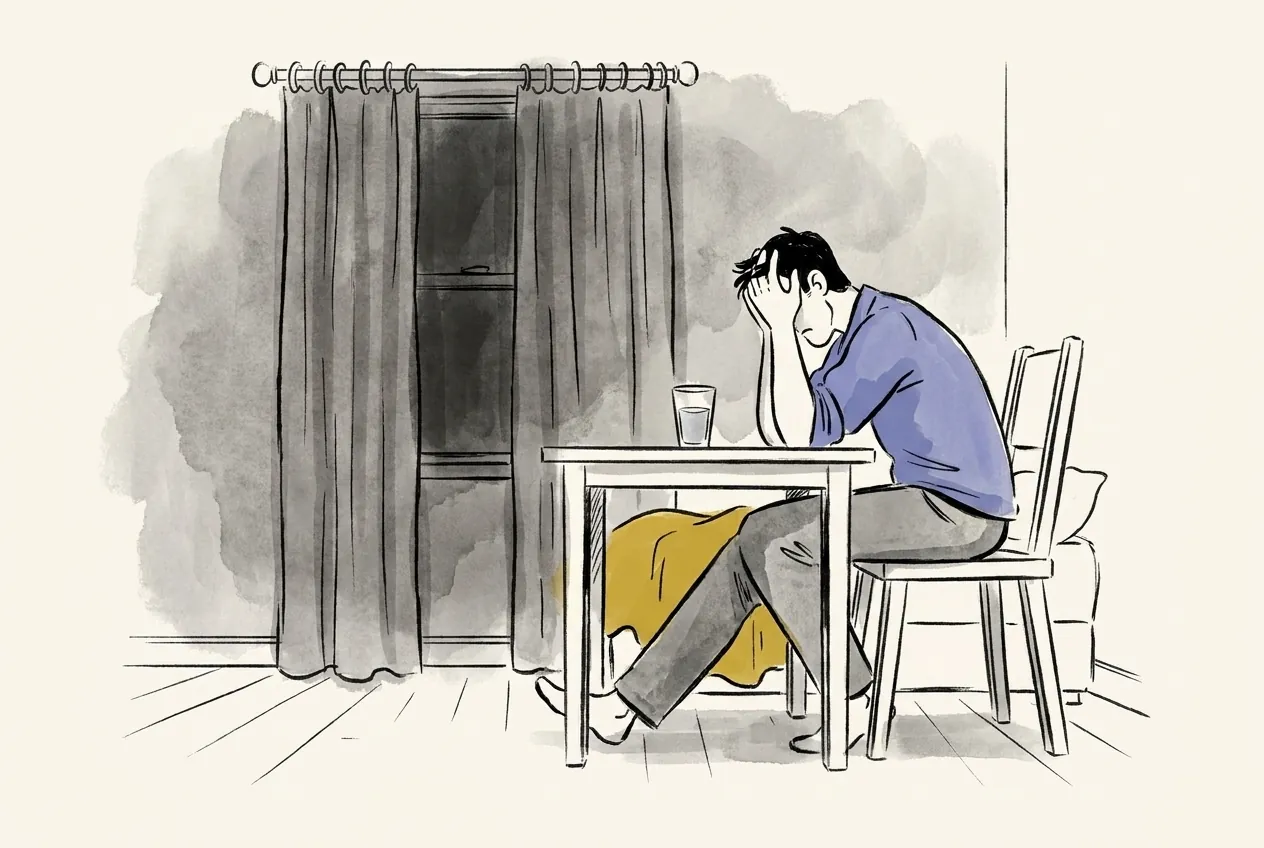
Headaches, memory problems, irritability, sensitivity to light and noise. Here’s what research says about mild traumatic brain injury in service members, recovery, and how families can help.
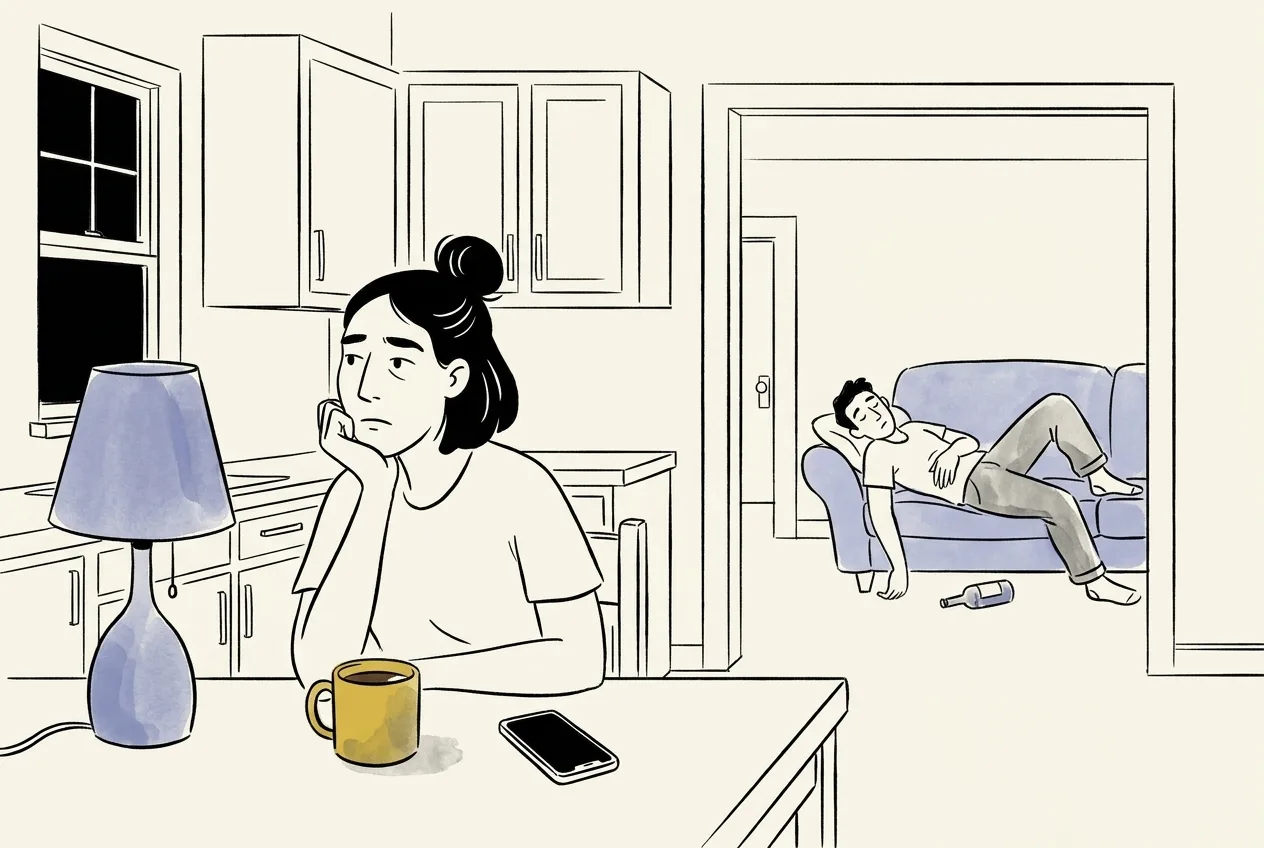
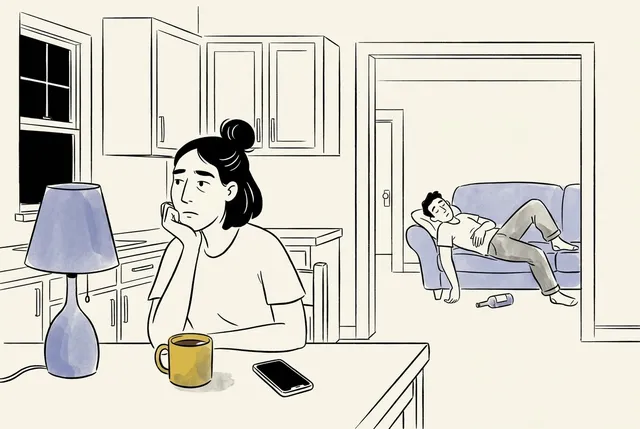
You can’t force a loved one to stop drinking, but research shows family members have more influence than they think. Here’s what works — and how to protect yourself and your kids.
Most children of divorce do well in the long run. Research shows what protects them: low conflict, warm parenting and staying connected to both parents.
Constant fights, distance, a crisis or a big transition. Here’s how to know when a family or couple could use therapy, and what research says about results.
Every couple argues. What predicts divorce is how. Here’s what John Gottman’s research found about the “Four Horsemen” and their antidotes.
Grandparents can be a lifeline for kids and parents. Research shows their involvement helps children’s well-being — especially in single-parent and stepfamilies.
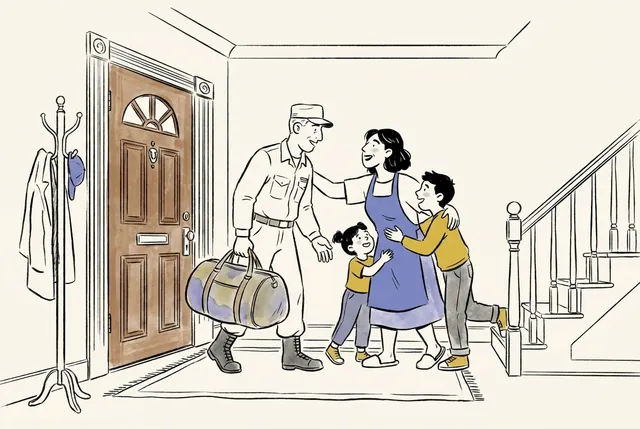
The homecoming is a joyful moment — and the start of a hard adjustment. Research shows what military families face after deployment and what helps.
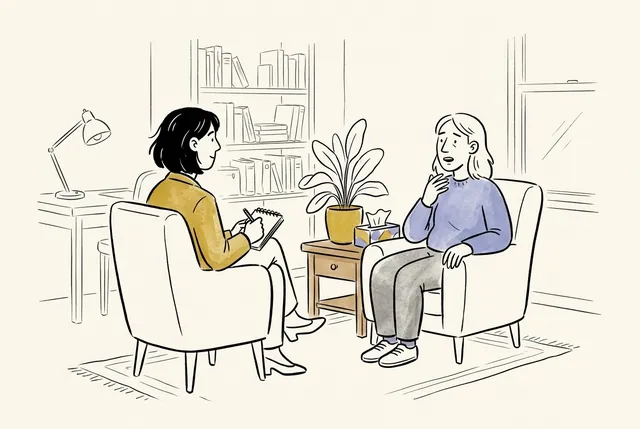
LCSW, LPC, PsyD, psychiatrist — what do the letters mean? Research shows that the relationship with your therapist matters as much as the method. Here’s how to choose.
“You’re so smart” can backfire. Research by Carol Dweck and others shows which kinds of praise build motivation and resilience — and which undermine them.
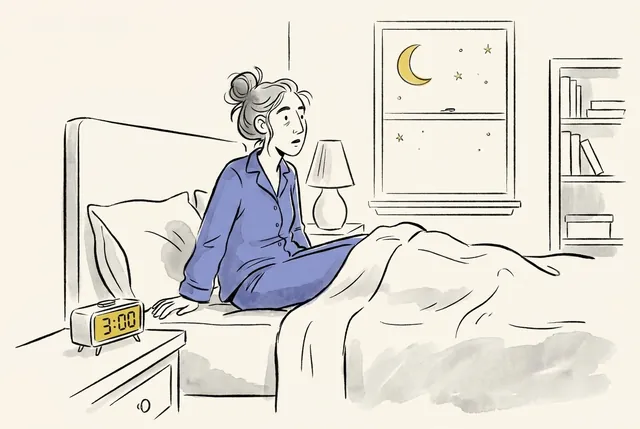
Lying awake at 3 a.m. night after night? Cognitive behavioral therapy for insomnia (CBT-I) is the recommended first-line treatment. Here’s how it works.
Sleep recommendations by age from the American Academy of Sleep Medicine, plus research-backed ways to solve bedtime battles and night wakings.
A family is more than a shared address. It’s a place of unconditional love, respect and safety.
How couples keep love, respect and closeness alive: conflict, trust, infidelity, crisis and divorce — what marriage research shows.
The family as a system: generations, roles, in-laws, addiction and abuse, caregiving and family therapy — grounded in research.
Child development by age, big feelings, tantrums, screens, teens, discipline without yelling — and co-parenting after divorce.
Anxiety, depression, burnout, sleep and self-compassion: how to take care of yourself and when to get help.
Deployment, homecoming, PTSD, moral injury, kids and separation, loss: research-based support for service members, veterans and the people who love them.
Guilt, shame and a broken sense of right and wrong after war. Moral injury is different from PTSD — and it needs a different kind of healing.
Cooking for siblings, comforting a depressed parent, translating bills at age ten. When a child takes on adult roles, it’s called parentification. Here’s what research says.
PTSD is treatable. Here’s what research shows about Prolonged Exposure, Cognitive Processing Therapy, EMDR and medication — and how families can support recovery.
How you react when your partner gets a promotion or finishes a race matters more than you think. Research on “capitalization” shows what strengthens a relationship.
Replaying an argument for hours, asking “why me?” over and over. Rumination keeps you stuck and fuels depression. Here’s what research says and techniques that help.
Living with someone who has PTSD can take a toll. Research shows partners and children of veterans with PTSD often have trauma symptoms and distress of their own.
Calls, video chats, messages, care packages. Research shows communication during deployment matters for service members — and that the quality of the relationship shapes its effect.
Asking directly about suicide doesn’t plant the idea — it can save a life. Here’s what to say, what to do, and how a safety plan and 988 can help.
Not all support helps. Research shows that some well-meant help backfires — and that the best support is often invisible.
A parent’s deployment shakes a child’s world. Research on military kids shows what helps them cope — and how to talk about it at every age.
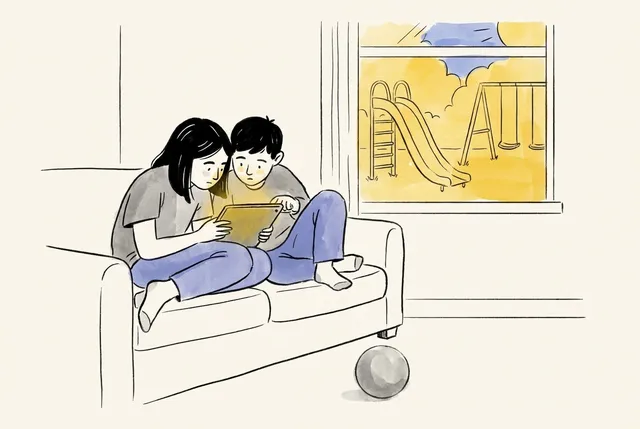
Is social media harming teens? Research shows a complicated picture: small effects on average, bigger risks for some teens, especially girls. Here’s what parents can do.
Headaches, memory problems, irritability, sensitivity to light and noise. Here’s what research says about mild traumatic brain injury in service members, recovery, and how families can help.
Combat deployment is linked to new heavy drinking, especially among younger service members and the Guard and Reserve. Here’s how families can help — without nagging.
You can’t force a loved one to stop drinking, but research shows family members have more influence than they think. Here’s what works — and how to protect yourself and your kids.
Most children of divorce do well in the long run. Research shows what protects them: low conflict, warm parenting and staying connected to both parents.
Abuse isn’t only hitting. Control, threats, isolation and financial abuse are domestic violence too. Here’s how to recognize it and where to turn, 24/7.
Constant fights, distance, a crisis or a big transition. Here’s how to know when a family or couple could use therapy, and what research says about results.
Every couple argues. What predicts divorce is how. Here’s what John Gottman’s research found about the “Four Horsemen” and their antidotes.
“That never happened.” “You’re too sensitive.” Gaslighting makes you doubt your own memory and perception. Here’s how to recognize it and protect yourself.
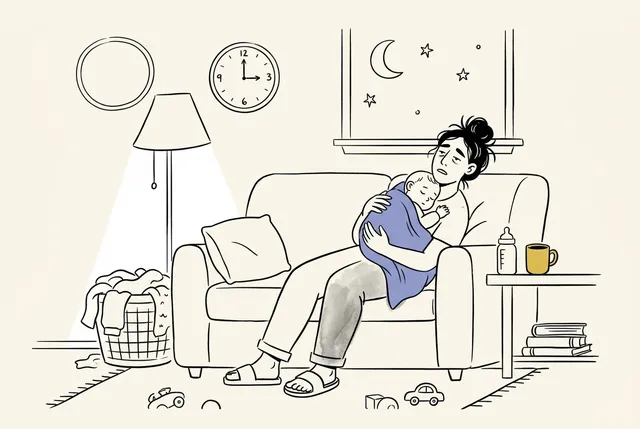
Exhausted, running on empty, going through the motions with your kids? Parental burnout is real, it’s different from ordinary tiredness and depression, and it’s more common in the US than in many other countries.
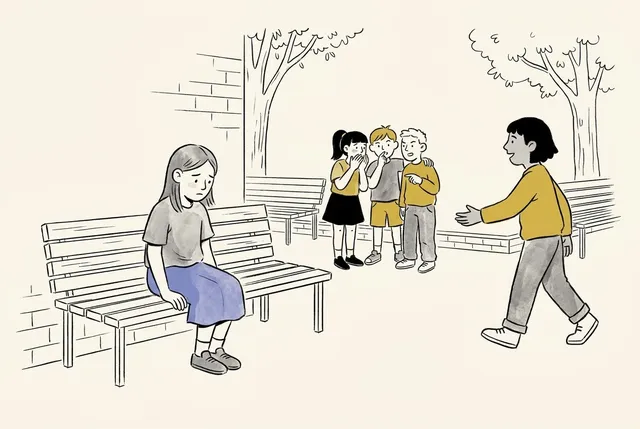
About a third of kids are involved in bullying, and its effects can last into adulthood. Here’s how to spot it, how to talk to your child, and how to work with the school.
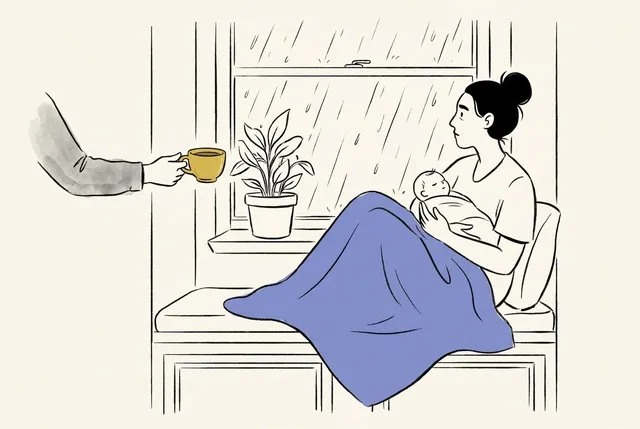
Postpartum depression affects roughly one in six new mothers — and about one in ten new fathers. Here’s how to tell it from the “baby blues” and where to find help, 24/7.
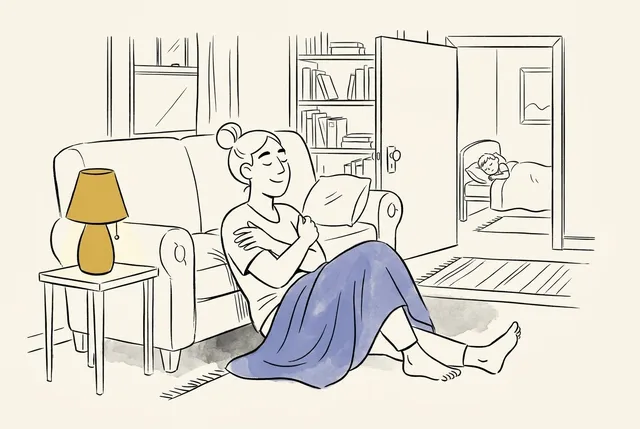
You yelled again. You forgot the field trip form. Self-criticism doesn’t make you a better parent — self-compassion might. Here’s what research says and how to start.
“Stop crying” rarely works. Emotion coaching teaches parents to see a child’s feelings as a chance to connect and teach. Here are the steps and the research behind them.
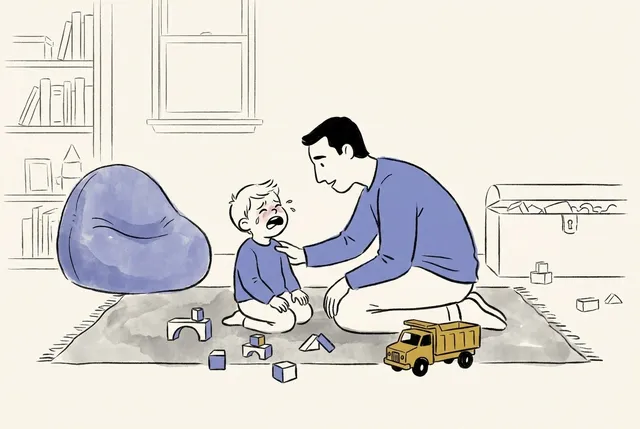
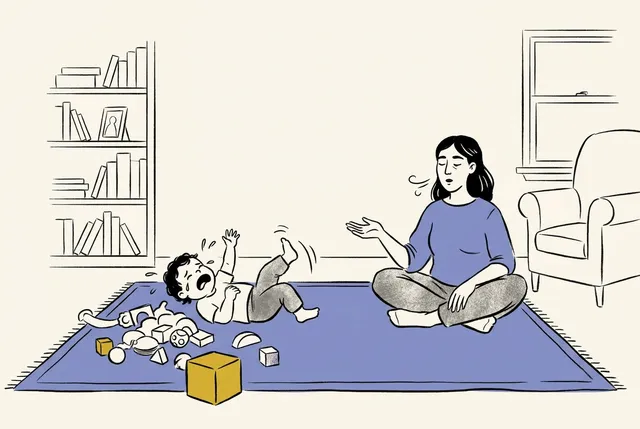
Screaming in the cereal aisle, lying on the floor at the playground. Tantrums are a normal part of toddler development. Here’s what research says and what helps.
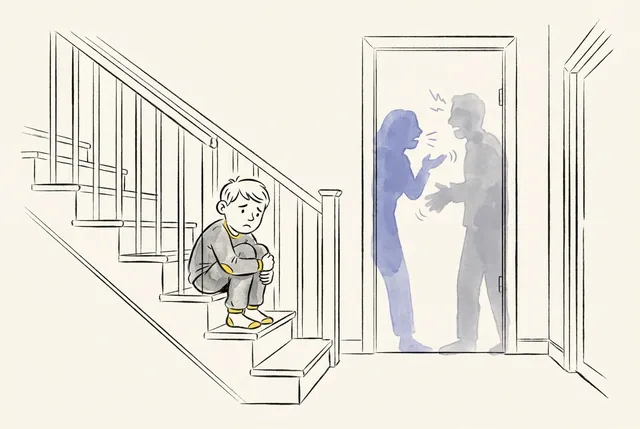
Not every argument harms kids. Research shows what kind of parental conflict hurts children — and how resolving it in front of them can even teach them something valuable.
Nightmares, flashbacks, always being on guard, pulling away from loved ones. Here’s how post-traumatic stress disorder shows up, how common it is, and what treatment works.
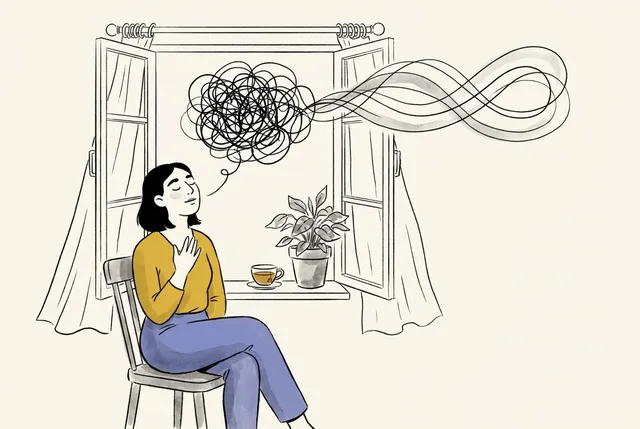
Constant worry, a racing mind, a knot in your stomach. Here’s what research shows helps most — from CBT to exercise — and simple steps you can start today.
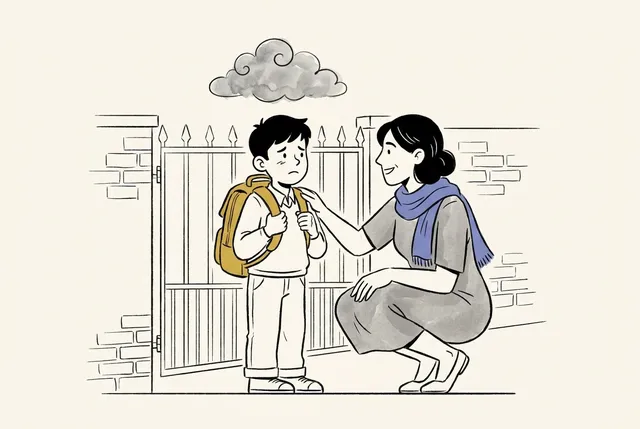
All kids worry sometimes. Here’s how to tell normal fears from an anxiety disorder, how common childhood anxiety is, and which treatments work best.
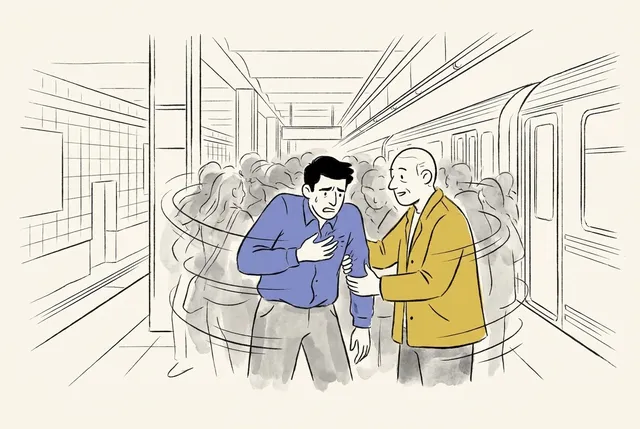
A pounding heart, chest pain, the feeling you’re dying or losing control. Panic attacks are terrifying but not dangerous. Here’s how to recognize them and what treatment works.
Browse every article by topic: Relationships · Family · Parenting · Emotional health · Military families