How to beat insomnia without sleeping pills
Lying awake at 3 a.m. night after night? Cognitive behavioral therapy for insomnia (CBT-I) is the recommended first-line treatment. Here’s how it works.
Chronic insomnia — trouble sleeping at least three nights a week for three months or more — is best treated with cognitive behavioral therapy for insomnia (CBT-I), not sleeping pills. CBT-I helps people fall asleep faster, wake less at night and sleep more efficiently, and its benefits last after treatment ends. Key techniques include a consistent wake time, limiting time in bed and getting up when you can’t sleep.
- CBT-I is the recommended first-line treatment for chronic insomnia in adults.
- It works as well as medication in the short term and better in the long term.
- You can access CBT-I through a therapist, online programs or free apps.
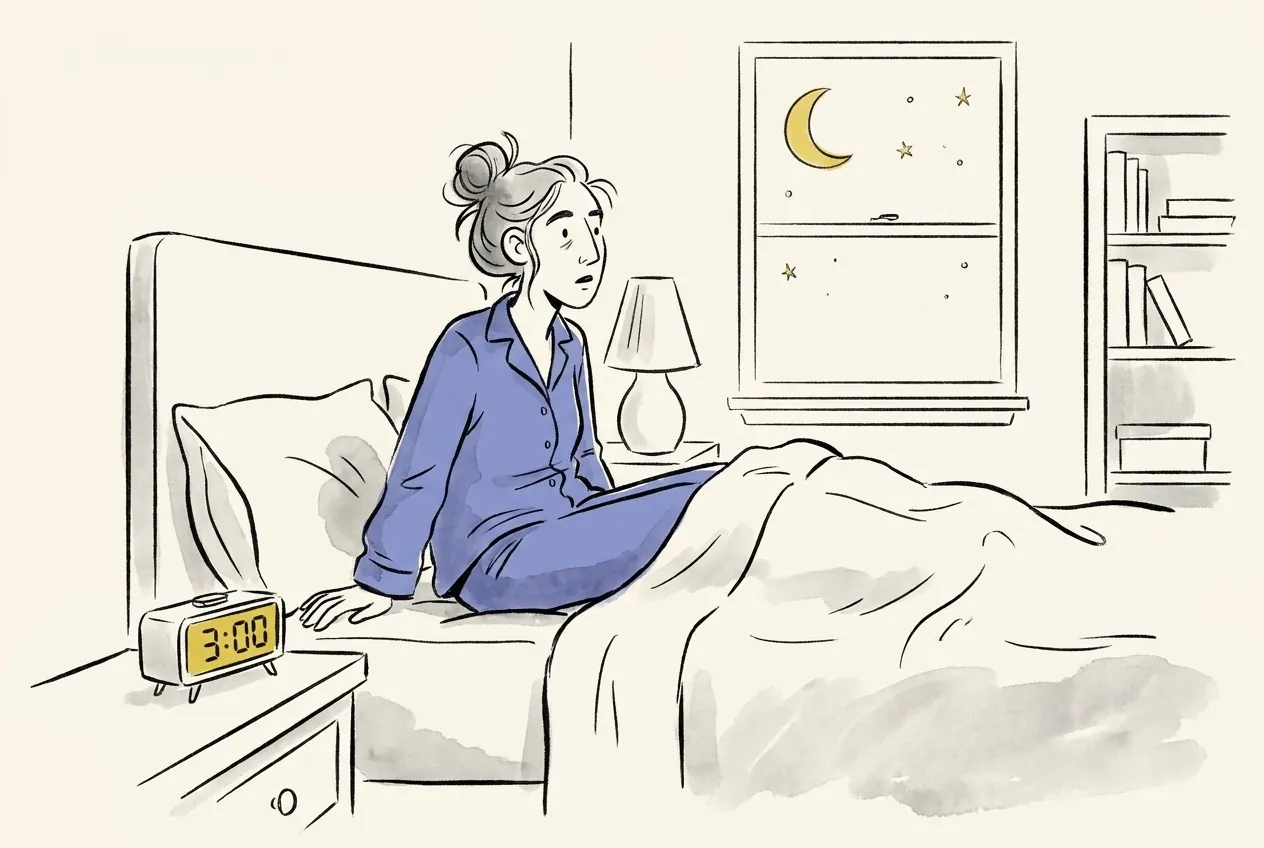
It’s 3 a.m. You’re wide awake, calculating how many hours until the alarm, which makes it even harder to fall back asleep. If this happens most nights, you may have chronic insomnia.
What insomnia is
Insomnia means trouble falling asleep, staying asleep or waking too early, at least three nights a week for three months, with daytime effects like fatigue, irritability or poor concentration. It’s very common, especially among parents, shift workers, veterans and people under stress.
What works best: CBT-I
James Trauer and colleagues analyzed randomized trials of cognitive behavioral therapy for insomnia (CBT-I) 1. People who did CBT-I fell asleep about 20 minutes faster, spent about 25 minutes less awake during the night and slept more efficiently. These effects held up months later.
The European insomnia guideline recommends CBT-I as the first-line treatment for chronic insomnia in adults, with sleep medications reserved for short-term use when CBT-I isn’t enough or available 2. US guidelines from the American College of Physicians make the same recommendation.
The core techniques of CBT-I
- Fixed wake-up time, every day, including weekends.
- Sleep restriction: spend only as much time in bed as you actually sleep, then gradually extend it. It’s hard for a week or two, then very effective.
- Stimulus control: use the bed only for sleep and sex. If you’re awake more than about 20 minutes, get up and do something calm in dim light until you feel sleepy.
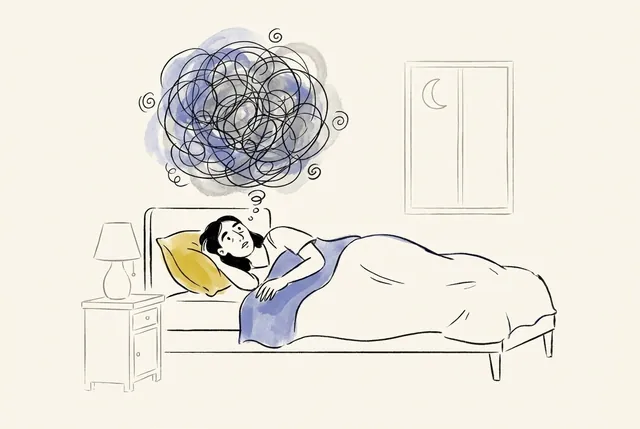
- Challenging sleep worries: “If I don’t sleep eight hours, tomorrow will be a disaster” makes sleep harder.
- Wind-down routine: an hour before bed with no work, news or bright screens.
Where to get CBT-I
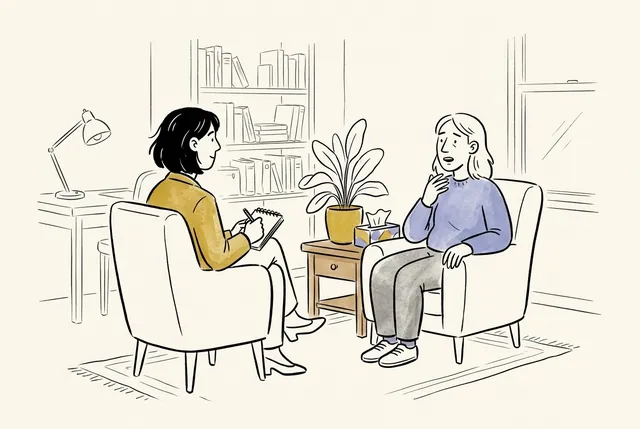
- A therapist or sleep psychologist trained in CBT-I.
- Digital programs, often covered by insurers or employers.
- The free CBT-i Coach app from the VA, available to anyone.
When to see a doctor
Talk to your doctor if you snore loudly, stop breathing during sleep, have restless legs, or feel very sleepy during the day — these can signal other sleep disorders. Insomnia can also be a symptom of depression or anxiety.
Frequently asked questions
Why should I get out of bed if I can’t sleep?
Lying awake for hours teaches your brain that bed means frustration. Getting up and doing something calm in dim light until you’re sleepy rebuilds the link between bed and sleep.
Is there a free way to try CBT-I?
Yes. The VA’s free CBT-i Coach app is available to anyone, and many health plans cover online CBT-I programs.
Sources
- Trauer, J. M., Qian, M. Y., Doyle, J. S., Rajaratnam, S. M. та ін. (2015). Cognitive Behavioral Therapy for Chronic Insomnia. Annals of Internal Medicine, 163(3), 191–204. doi:10.7326/M14-2841
- Riemann, D., Baglioni, C., Bassetti, C., Bjorvatn, B. та ін. (2017). European guideline for the diagnosis and treatment of insomnia. Journal of Sleep Research, 26(6), 675–700. doi:10.1111/jsr.12594
Evidence-based · Human-centered · Practical — how we write and fact-check our articles.
This article is for educational purposes and does not replace advice from a licensed professional. We cite original research and update articles when new evidence appears. Spotted an error? Let us know — see our editorial policy.
If you or someone you love is in crisis, call or text 988 (Suicide & Crisis Lifeline). Veterans: dial 988, then press 1.