Postpartum depression: signs, how common it is and where to get help
Postpartum depression affects roughly one in six new mothers — and about one in ten new fathers. Here’s how to tell it from the “baby blues” and where to find help, 24/7.
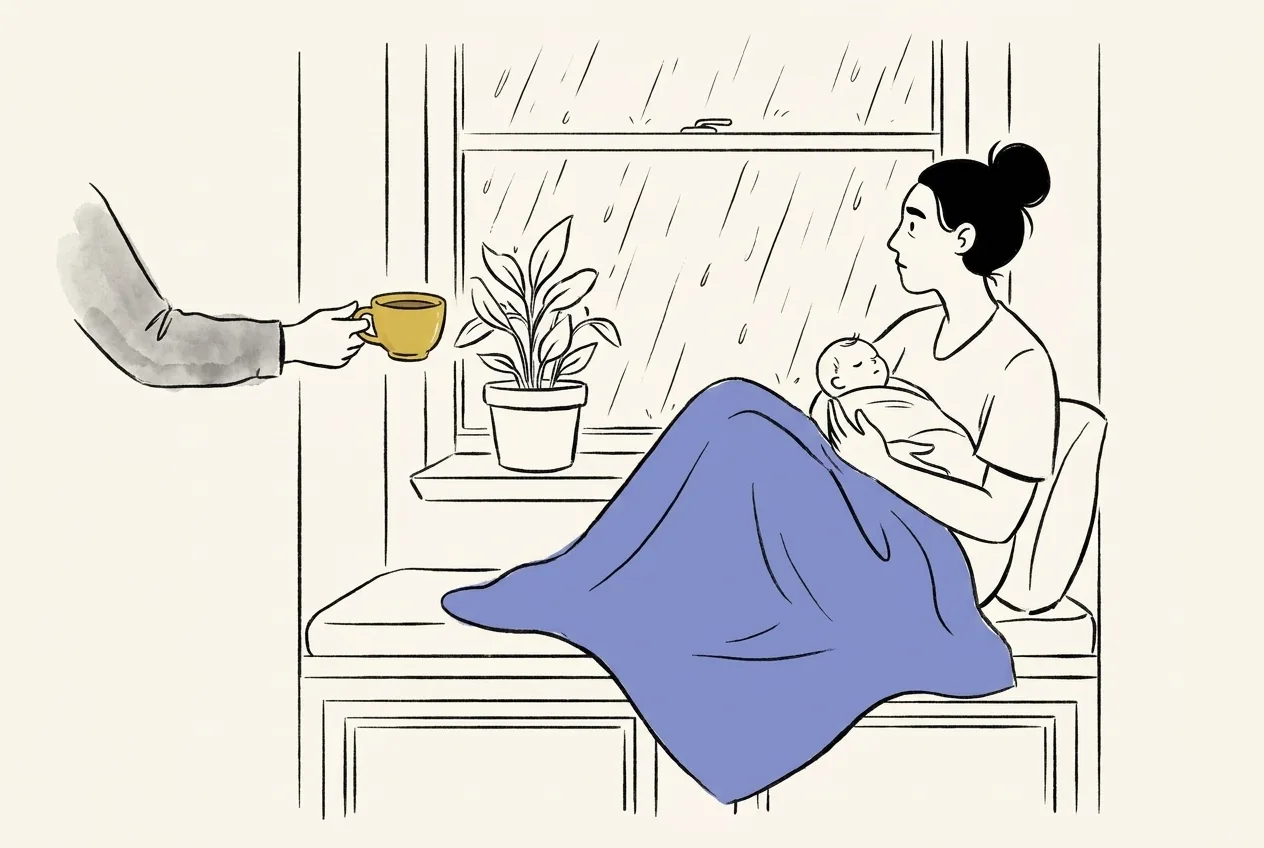
Postpartum depression is more than the “baby blues.” It lasts longer than two weeks and can include persistent sadness, anxiety, numbness, guilt and trouble bonding with the baby. About 17% of new mothers without a prior history of depression develop it, and about 10% of new fathers experience depression around a baby’s birth. It’s treatable. In the US, the National Maternal Mental Health Hotline (1-833-852-6262) offers free support 24/7.
- Baby blues fade within two weeks; postpartum depression lasts longer and runs deeper.
- Fathers can get perinatal depression too, especially when their partner is depressed.
- Therapy, medication and support all help — and it isn’t your fault.
Everyone tells you this should be the happiest time of your life. Instead you feel empty, anxious or like you’re failing. You’re not a bad parent — you may be experiencing postpartum depression (PPD), a common and treatable condition.
Baby blues vs. postpartum depression
- Baby blues: tearfulness, mood swings and feeling overwhelmed in the first days after birth. Very common, and fades within about two weeks.
- Postpartum depression: lasts longer than two weeks and interferes with daily life. It can start during pregnancy or anytime in the first year.
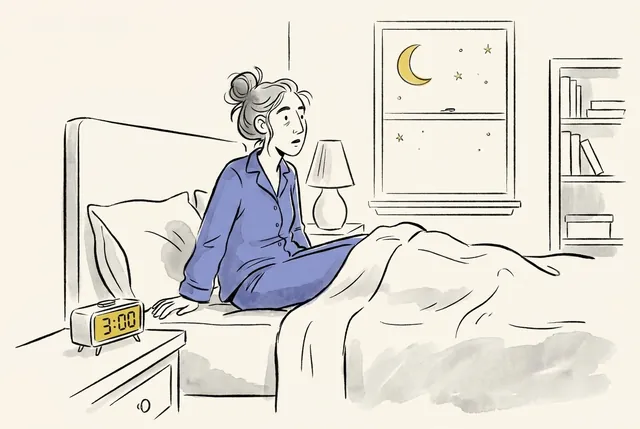
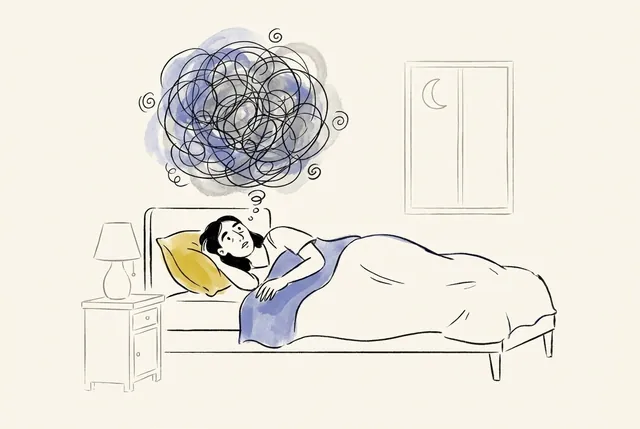
Signs of PPD include persistent sadness or emptiness, intense anxiety or panic, feeling disconnected from the baby, overwhelming guilt (“I’m a terrible mother”), trouble sleeping even when the baby sleeps, loss of appetite and thoughts of harming yourself.
How common it is
Shefaly Shorey and colleagues analyzed studies from around the world 1. About 17% of healthy new mothers with no history of depression developed postpartum depression.
And it’s not only mothers. James Paulson and Sharnail Bazemore found that about 10% of fathers experienced depression between the first trimester and the baby’s first year, with the highest rates three to six months after birth 2. Fathers were more likely to be depressed when their partner was.
What helps
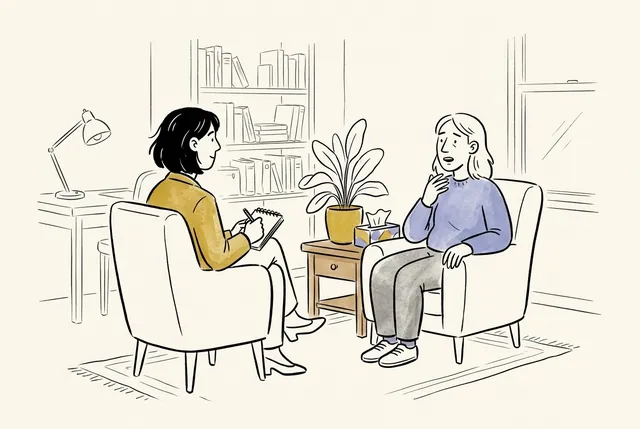
- Talk to a professional. Your OB-GYN, midwife or pediatrician can screen you. Many pediatricians screen mothers at well-baby visits.
- Therapy. CBT and interpersonal therapy are effective for PPD.
- Medication. Several antidepressants can be used while breastfeeding. In 2023, the FDA also approved an oral medication designed specifically for postpartum depression.
- Practical support. Sleep protection, help with night feeds, meals from friends.
- Peer support. Postpartum Support International (1-800-944-4773, postpartum.net) runs free support groups online and in person.
Free help, 24/7
The National Maternal Mental Health Hotline: call or text 1-833-852-6262 (1-833-TLC-MAMA). Free and confidential, in English and Spanish, with interpreters for other languages.
If you’re thinking about harming yourself or your baby, call or text 988 or call 911. Confusion, hallucinations or not sleeping at all for days can signal postpartum psychosis, a medical emergency.
Frequently asked questions
Can I take antidepressants while breastfeeding?
Several antidepressants are considered compatible with breastfeeding. Talk with your OB-GYN, pediatrician or psychiatrist about the safest option for you.
I sometimes have scary thoughts about my baby getting hurt. Am I dangerous?
Unwanted, frightening thoughts are common in postpartum anxiety and OCD, and they don’t mean you’ll act on them. Tell your doctor. If thoughts come with confusion, hallucinations or not sleeping at all, seek emergency care.
Sources
- Shorey, S., Chee, C. Y. I., Ng, E. D., Chan, Y. H., Tam, W. W. S., & Chong, Y. S. (2018). Prevalence and incidence of postpartum depression among healthy mothers: A systematic review and meta-analysis. Journal of Psychiatric Research, 104, 235–248. doi:10.1016/j.jpsychires.2018.08.001
- Paulson, J. F., & Bazemore, S. D. (2010). Prenatal and postpartum depression in fathers and its association with maternal depression: A meta-analysis. JAMA, 303(19), 1961–1969. doi:10.1001/jama.2010.605
Evidence-based · Human-centered · Practical — how we write and fact-check our articles.
This article is for educational purposes and does not replace advice from a licensed professional. We cite original research and update articles when new evidence appears. Spotted an error? Let us know — see our editorial policy.
If you or someone you love is in crisis, call or text 988 (Suicide & Crisis Lifeline). Veterans: dial 988, then press 1.