What is parentification — when a child becomes the parent?
Cooking for siblings, comforting a depressed parent, translating bills at age ten. When a child takes on adult roles, it’s called parentification. Here’s what research says.
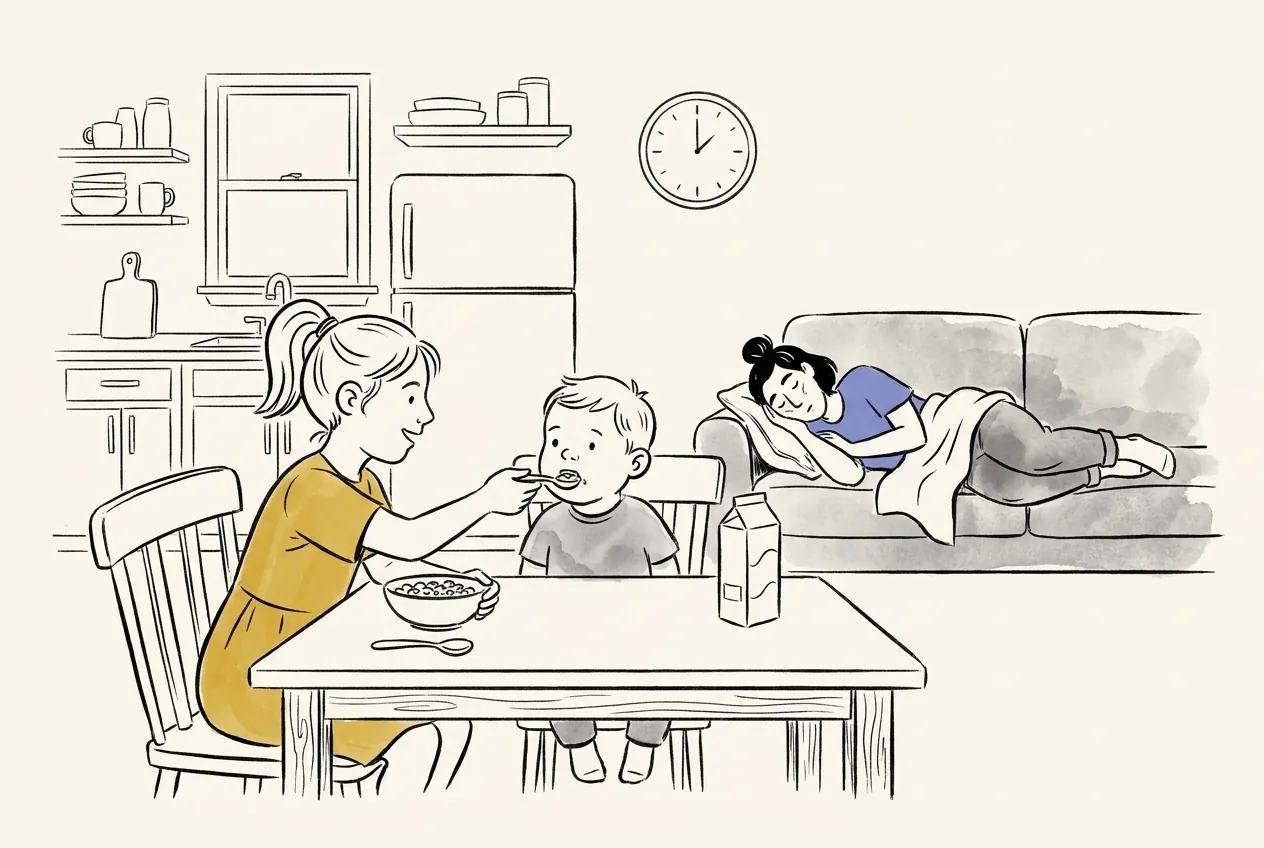
Parentification (parentified child, role reversal) — a family pattern in which a child regularly takes on adult responsibilities — practical or emotional — for a parent or siblings, beyond what is fair or appropriate for their age.
Parentification happens when a child consistently takes on adult roles: caring for siblings, running the household or becoming a parent’s emotional support. Research distinguishes practical (instrumental) from emotional parentification; emotional parentification is linked more often to anxiety, depression and difficulty with relationships later. Some responsibility can build skills when it’s fair, limited and appreciated.
- Children taking on some chores is healthy; consistently replacing a parent is not.
- Emotional parentification — being a parent’s confidant or caretaker — tends to be more harmful.
- Adults who were parentified can heal through awareness, boundaries and therapy.
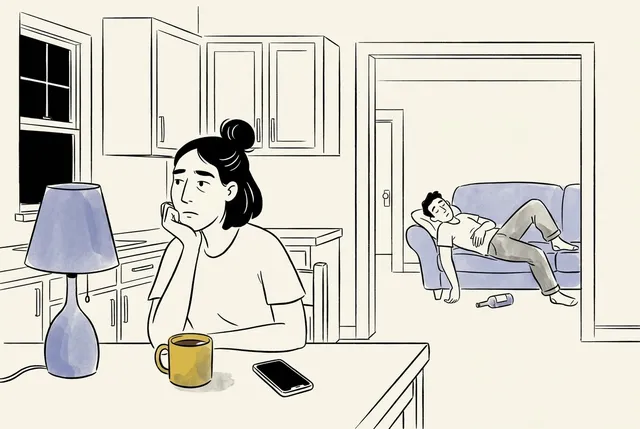
A 10-year-old makes dinner for her younger brothers every night because Mom works double shifts. A 13-year-old listens to his father’s worries about money and divorce late at night. A teenager translates medical appointments and utility bills for her parents. These children are doing adult jobs. Psychologists call this parentification.
Two kinds of parentification
Lisa Hooper explains parentification through attachment and family systems theory 1. Researchers distinguish:
- Instrumental parentification: practical tasks — cooking, cleaning, caring for siblings, managing bills.
- Emotional parentification: becoming a parent’s confidant, mediator or emotional caretaker.
Emotional parentification tends to be more harmful, because the child’s own emotional needs get pushed aside to meet the parent’s.
When it happens
Parentification is more likely when a parent is ill, depressed, struggling with addiction, going through divorce or deployed — or when a family is under heavy financial pressure. Children of immigrants often take on “language broker” roles.
What it can lead to
Louise Earley and Delia Cushway reviewed research on the parentified child 2. When responsibilities are excessive, unacknowledged and long-lasting, parentification is linked to:
- anxiety, depression and shame;
- difficulty identifying and expressing one’s own needs;
- people-pleasing and over-responsibility in adult relationships;
- burnout, especially in caring professions.
But not every case is harmful. When responsibilities are limited, fair and appreciated, and the child still has time to be a child, they can build competence and empathy.
For parents: how to avoid it
- Find adult support for adult problems. A friend, therapist or support group — not your child — is the right place for your worries about money or your marriage.
- Thank kids for their help and keep it age-appropriate.
- Protect childhood: school, play, friends and rest come first.
- Ask for help. Military family programs, school counselors and 211 can connect you with local support.
For adults who were parentified
You learned early to take care of everyone. Healing often means learning to notice your own needs, set boundaries and accept care from others. A therapist can help you do that without guilt.
Frequently asked questions
Is it parentification if my teen babysits younger siblings?
Not necessarily. Occasional, age-appropriate help that’s acknowledged — and doesn’t replace school, friends or rest — is part of family life.
I was a parentified child. What now?
Many adults recognize patterns like over-responsibility or difficulty asking for help. Naming it is a first step; therapy can help you set boundaries without guilt.
Sources
- Hooper, L. M. (2007). The Application of Attachment Theory and Family Systems Theory to the Phenomena of Parentification. The Family Journal, 15(3), 217–223. doi:10.1177/1066480707301290
- Earley, L., & Cushway, D. (2002). The Parentified Child. Clinical Child Psychology and Psychiatry, 7(2), 163–178. doi:10.1177/1359104502007002005
Evidence-based · Human-centered · Practical — how we write and fact-check our articles.
This article is for educational purposes and does not replace advice from a licensed professional. We cite original research and update articles when new evidence appears. Spotted an error? Let us know — see our editorial policy.
If you or someone you love is in crisis, call or text 988 (Suicide & Crisis Lifeline). Veterans: dial 988, then press 1.