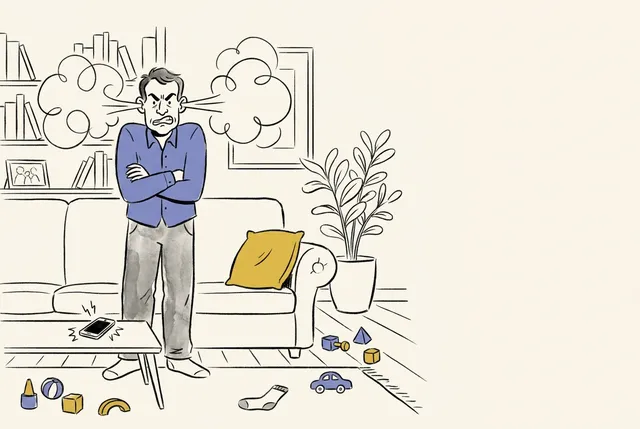
Gaslighting in relationships: the signs, and how to protect yourself
“That never happened.” “You’re too sensitive.” Gaslighting makes you doubt your own memory and perception. Here’s how to recognize it and protect yourself.
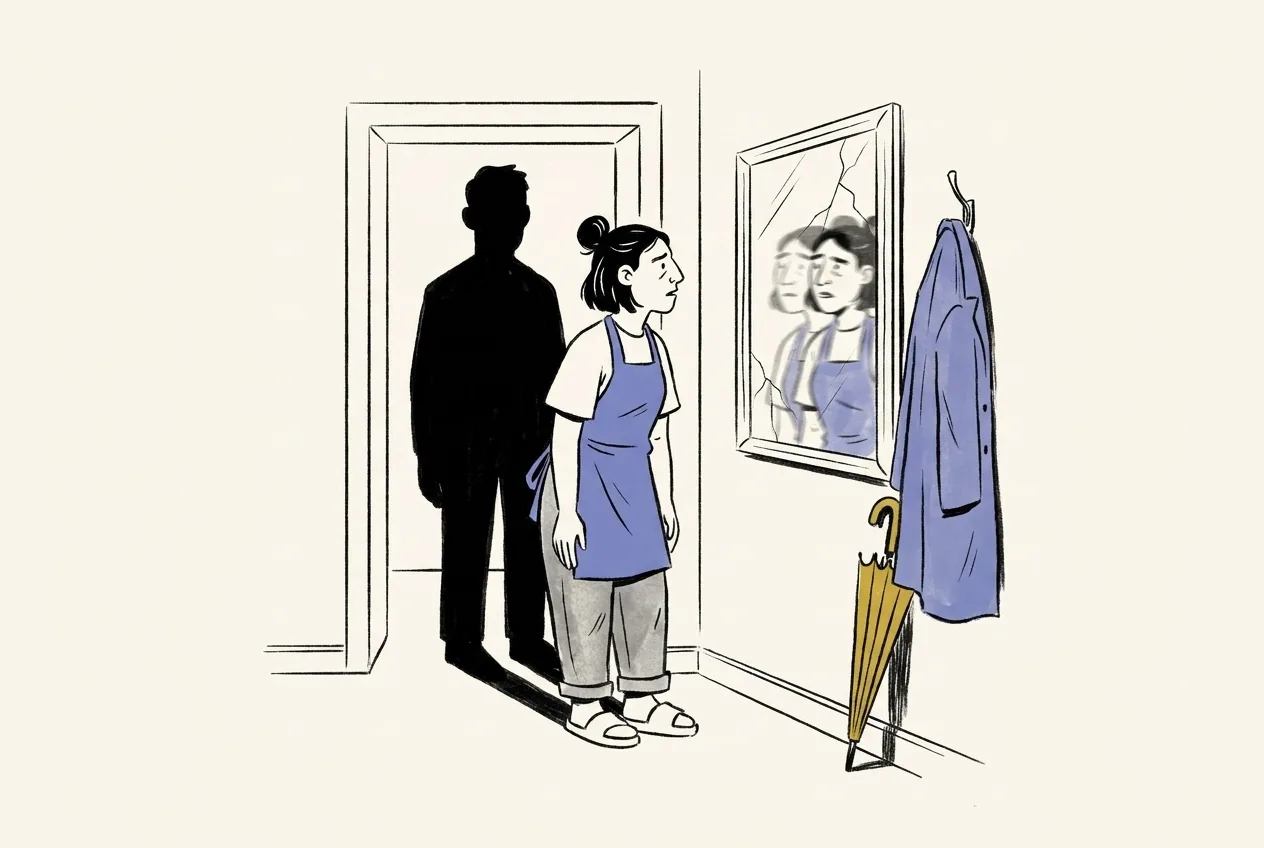
Gaslighting (psychological manipulation, reality distortion) — a form of psychological abuse in which one person makes another doubt their memory, perceptions or sanity, often to gain control in a relationship.
Gaslighting is a form of emotional abuse in which a partner repeatedly denies, twists or dismisses your experience until you start to doubt your own mind. Research shows it often comes alongside other forms of control and abuse, and draws power from social stereotypes — for example, that women are “too emotional.” Writing things down, talking to people you trust and contacting a domestic violence hotline can help.
- Gaslighting is not an ordinary disagreement — it’s a repeated pattern aimed at making you doubt yourself.
- It often accompanies other forms of control and intimate partner violence.
- Keeping records and staying connected to friends helps you hold on to your own reality.
The term comes from the 1944 film Gaslight, in which a husband dims the gas lamps in the house and then insists his wife is imagining it. Today gaslighting describes a pattern in which one person makes another doubt their memory, perception and judgment.
What gaslighting sounds like
- “That never happened. You’re making things up again.”
- “You’re way too sensitive. It was a joke.”
- “Everyone thinks you’re overreacting.”
- “If you weren’t so crazy, I wouldn’t have to yell.”
One phrase on its own isn’t gaslighting. The red flag is a pattern: over time you feel confused, apologize constantly, second-guess yourself and rely more and more on your partner’s version of reality.
What research says
Sociologist Paige Sweet studied gaslighting through the stories of women who had experienced domestic violence 1. She found that gaslighting is not just a quirk of individual psychology. It works because it draws on social inequalities and stereotypes — for example, the idea that women are irrational or “hysterical.” Abusers also used their partners’ vulnerabilities, such as immigration status or mental health history, to make them seem unreliable to others.
Gaslighting often goes hand in hand with other forms of intimate partner violence. Worldwide, about one in four women who have had a partner has experienced physical or sexual violence from that partner during her lifetime 2.
Common signs
- You often feel confused or “crazy” after conversations with your partner.
- You keep apologizing, even when you’re not sure what you did.
- You make excuses for your partner to friends and family.
- You’ve stopped trusting your own memory.
- You feel more isolated from people who used to support you.
How to protect yourself
- Write things down. A private journal, notes or messages with dates help you trust your own memory.
- Stay connected. Talk to a friend, relative or therapist outside the relationship. Isolation makes gaslighting stronger.
- Don’t argue over the facts endlessly. You can say, “I remember it differently,” and end the conversation.
- Get support. The National Domestic Violence Hotline (1-800-799-7233, or text START to 88788) helps people experiencing emotional abuse, not only physical violence. Advocates can help you think through safety and options.
If you’re in immediate danger, call 911. More resources on Get help now.
Frequently asked questions
How is gaslighting different from just remembering things differently?
Everyone misremembers sometimes. Gaslighting is a pattern: your partner consistently insists you’re wrong, crazy or oversensitive, and you end up feeling confused and dependent on their version of events.
Can a gaslighter change?
Change is possible only if the person recognizes the behavior and takes responsibility, usually with professional help. Your safety and well-being come first; you don’t have to wait for them to change.
Sources
- Sweet, P. L. (2019). The sociology of gaslighting. American Sociological Review, 84(5), 851–875. doi:10.1177/0003122419874843
- Sardinha, L., Maheu-Giroux, M., Stöckl, H., Meyer, S. R., & García-Moreno, C. (2022). Global, regional, and national prevalence estimates of physical or sexual, or both, intimate partner violence against women in 2018. The Lancet, 399(10327), 803–813. doi:10.1016/S0140-6736(21)02664-7
Evidence-based · Human-centered · Practical — how we write and fact-check our articles.
This article is for educational purposes and does not replace advice from a licensed professional. We cite original research and update articles when new evidence appears. Spotted an error? Let us know — see our editorial policy.
If you or someone you love is in crisis, call or text 988 (Suicide & Crisis Lifeline). Veterans: dial 988, then press 1.