How is PTSD treated, and what really helps?
PTSD is treatable. Here’s what research shows about Prolonged Exposure, Cognitive Processing Therapy, EMDR and medication — and how families can support recovery.
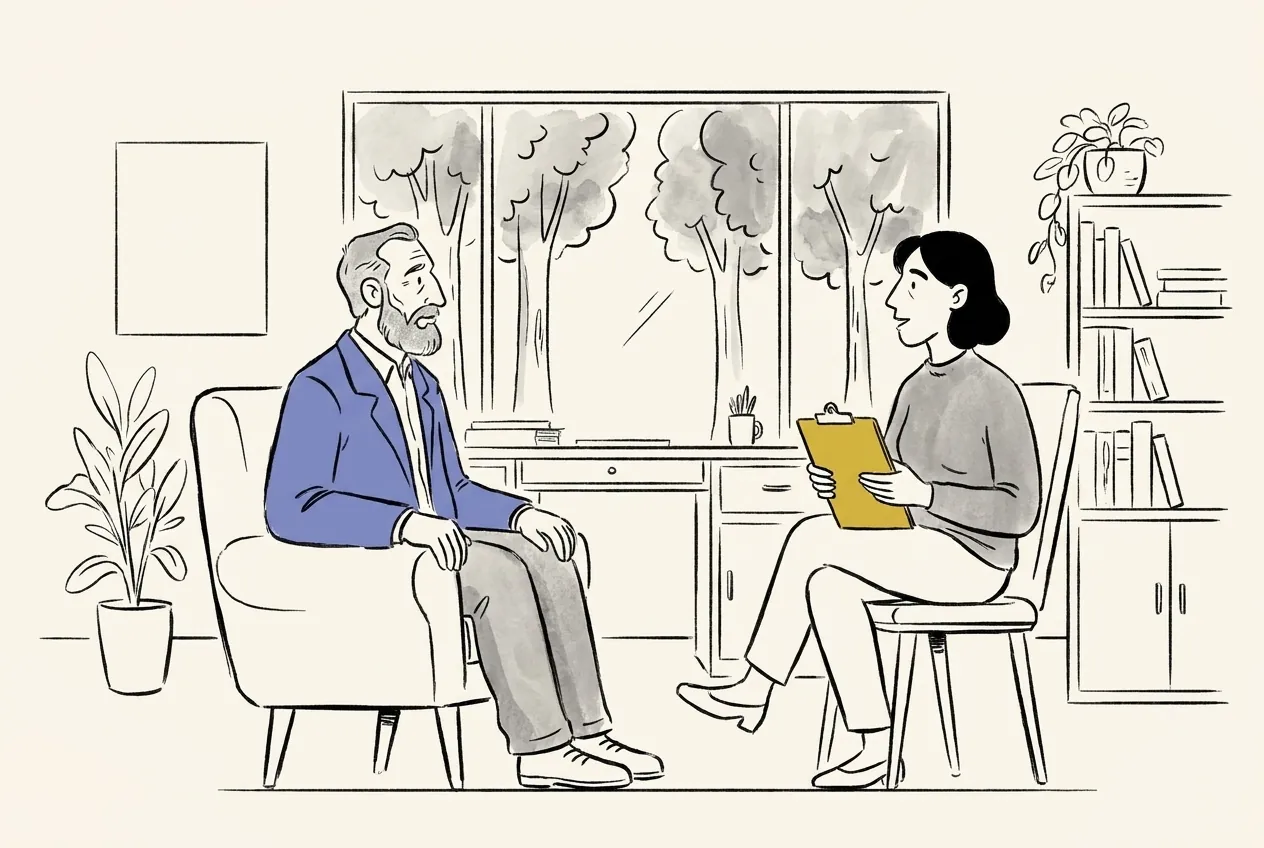
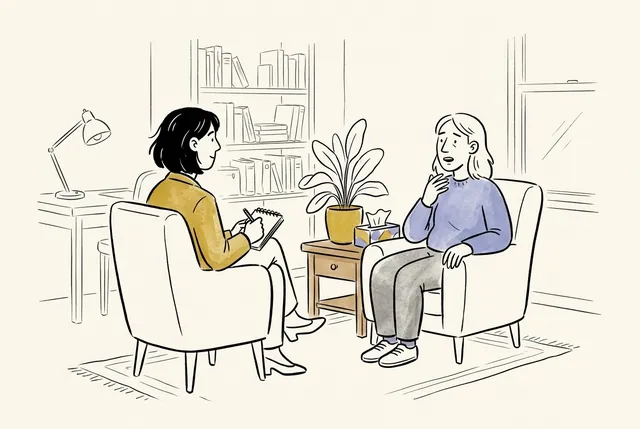
Trauma-focused psychotherapies have the strongest evidence for treating PTSD. Prolonged Exposure (PE), Cognitive Processing Therapy (CPT) and EMDR help many people significantly reduce symptoms, often in 8 to 16 sessions. Some antidepressants also help. The VA and Department of Defense offer these treatments, and family support improves the chances of sticking with them.
- PE, CPT and EMDR are among the best-supported PTSD therapies.
- Many people see meaningful improvement within a few months of weekly sessions.
- Avoidance is part of PTSD — so starting and staying in treatment takes support.
Many veterans believe that PTSD is something you just have to live with. It isn’t. PTSD is one of the most treatable mental health conditions, and research has identified several approaches that work.
Evidence-based therapies
Laura Watkins, Ginny Sprang and Barbara Rothbaum reviewed the leading evidence-based psychotherapies for PTSD 1:
- Prolonged Exposure (PE): gradually and safely approaching trauma memories and avoided situations until they lose their power. Usually 8–15 sessions.
- Cognitive Processing Therapy (CPT): identifying and changing “stuck points” — beliefs like “It was my fault” or “The world is completely dangerous.” Usually about 12 sessions.
- EMDR (Eye Movement Desensitization and Reprocessing): processing traumatic memories while paying attention to back-and-forth movements or sounds.
- Trauma-focused CBT and related approaches.
Catrin Lewis and colleagues combined 114 randomized trials of psychological therapies for adults with PTSD 2. The strongest evidence was for trauma-focused cognitive behavioral therapies and EMDR, which produced large reductions in symptoms compared with waiting lists or usual care.
What about medication?
Some antidepressants (sertraline, paroxetine, venlafaxine) are recommended for PTSD and can be combined with therapy. Benzodiazepines are generally not recommended. Discuss options with a VA or civilian provider.
Where to get treatment
- VA medical centers offer PE, CPT and EMDR. You can also ask about the Veterans Community Care program.
- Vet Centers offer free readjustment counseling for eligible veterans, service members and families.
- TRICARE covers PTSD treatment for active-duty service members and families.
- Civilian therapists trained in PE, CPT or EMDR — ask about their training directly.
How families can help
- Encourage, don’t push. “I’ve noticed you’re not sleeping. Would you be willing to talk to someone?”
- Learn about PTSD so you can see symptoms as symptoms, not rejection.
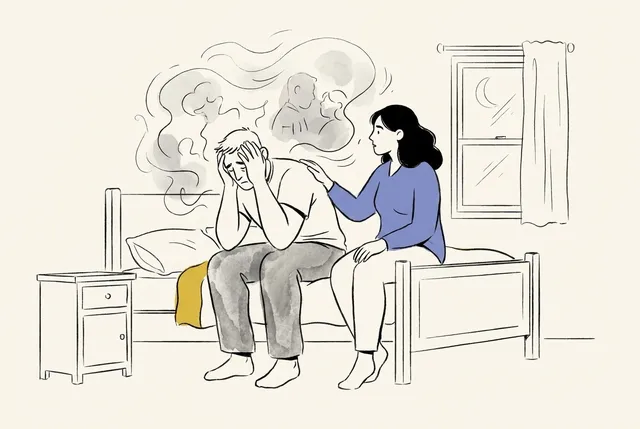
- Support the work. Therapy can feel worse before it gets better. Encourage your loved one to keep going.
- Couples therapy like Cognitive-Behavioral Conjoint Therapy for PTSD can help both partners.
- Take care of yourself — see Secondary trauma in military families.
In crisis? Dial 988, then press 1, or text 838255.
Frequently asked questions
Will I have to talk about the worst thing that happened?
In some therapies, like PE, you gradually revisit the memory in a safe, structured way. CPT focuses more on the meaning you’ve drawn from the trauma. Your therapist will go at a pace you can manage.
Can PTSD be treated if it happened decades ago?
Yes. Vietnam-era and Gulf War veterans benefit from the same therapies. It’s never too late to start.
Sources
- Watkins, L. E., Sprang, K. R., & Rothbaum, B. O. (2018). Treating PTSD: A Review of Evidence-Based Psychotherapy Interventions. Frontiers in Behavioral Neuroscience, 12, 258. doi:10.3389/fnbeh.2018.00258
- Lewis, C., Roberts, N. P., Andrew, M., Starling, E. та ін. (2020). Psychological therapies for post-traumatic stress disorder in adults: systematic review and meta-analysis. European Journal of Psychotraumatology, 11(1), 1729633. doi:10.1080/20008198.2020.1729633
Evidence-based · Human-centered · Practical — how we write and fact-check our articles.
This article is for educational purposes and does not replace advice from a licensed professional. We cite original research and update articles when new evidence appears. Spotted an error? Let us know — see our editorial policy.
If you or someone you love is in crisis, call or text 988 (Suicide & Crisis Lifeline). Veterans: dial 988, then press 1.