What to do if your child is being bullied
About a third of kids are involved in bullying, and its effects can last into adulthood. Here’s how to spot it, how to talk to your child, and how to work with the school.
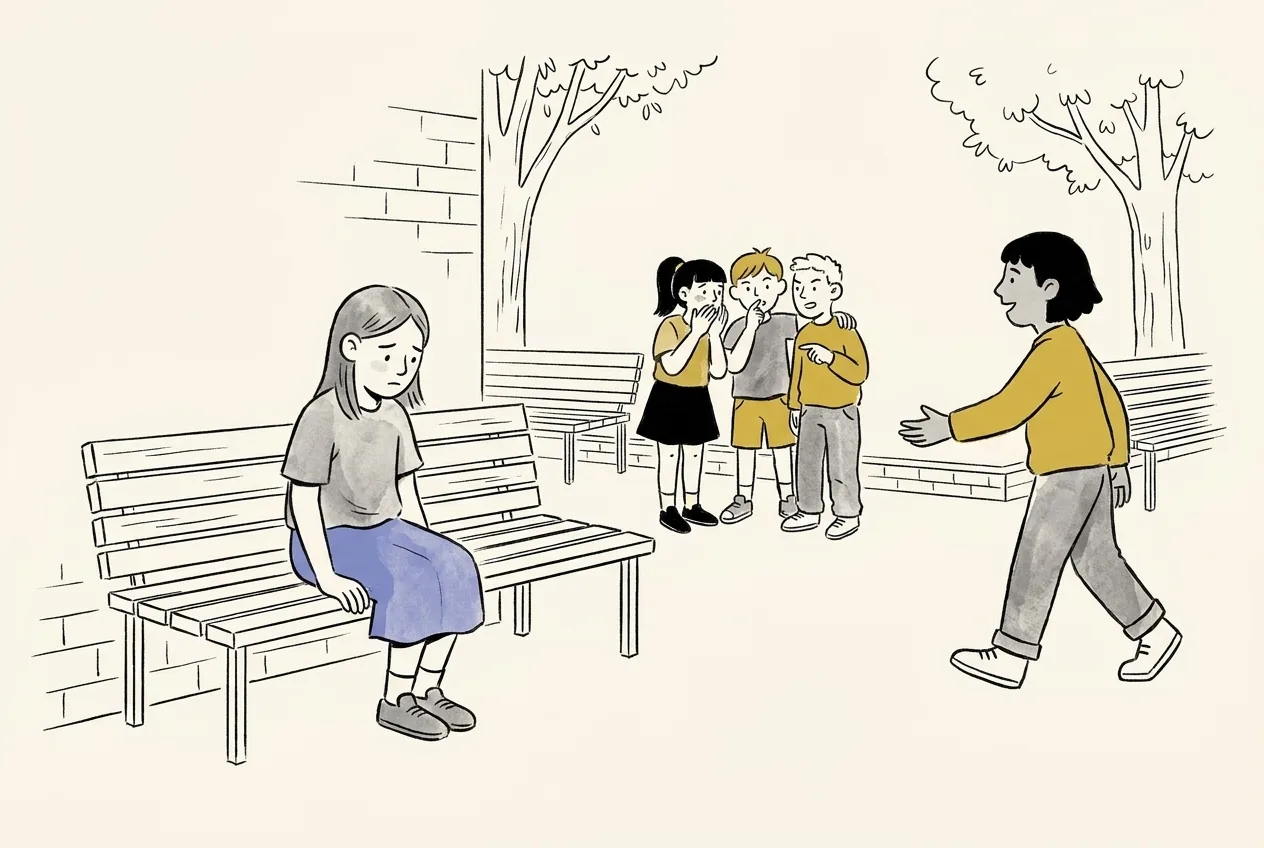
Bullying is repeated, intentional aggression where one side has more power. Research shows about a third of young people are involved in traditional bullying and about one in seven in cyberbullying, and being bullied is linked to anxiety, depression and other problems that can last into adulthood. Parents help most by listening calmly, documenting what happened, working with the school and protecting their child’s friendships and confidence.
- Bullying is common, and cyberbullying often overlaps with in-person bullying.
- The effects of being bullied can persist for years.
- Calm listening, documentation and school involvement work better than confronting the other family.
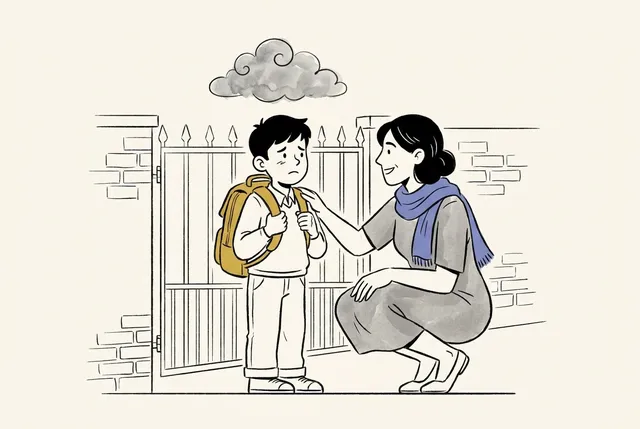
Your child comes home quiet, says they have a stomachache every morning and suddenly doesn’t want to take the bus. These can be signs of bullying — something many kids hide from their parents.
How common it is
Kira Modecki and colleagues combined data from 80 studies 1. On average, about 35% of young people were involved in traditional bullying (as victims or perpetrators) and about 15% in cyberbullying. Kids bullied online were often bullied in person too.
Why it matters
Louise Arseneault of King’s College London reviewed research on the long-term effects of being bullied 2. Children who were bullied were more likely to develop anxiety, depression, self-harm and physical health complaints — and some effects lasted into adulthood. Bullying isn’t a harmless part of growing up.
Warning signs
- Unexplained injuries or damaged belongings.
- Stomachaches or headaches, especially on school days.
- Not wanting to go to school, ride the bus or go online.
- Losing friends, eating alone, avoiding social events.
- Changes in sleep, mood or grades.
What to do
- Listen calmly. Thank your child for telling you. Don’t minimize (“Just ignore them”) or explode.
- Make it clear it’s not their fault.
- Write it down: dates, what happened, who was involved. Screenshot online messages.
- Contact the school in writing. Ask what they will do and when you’ll hear back.
- Don’t confront the other child or family yourself — it often escalates.
- Build up support: friends, activities your child is good at, a trusted adult at school.
- Report online abuse to the platform, and to police if there are threats or sexual images.
StopBullying.gov has state-by-state information on laws and school policies.
If your child is struggling
Watch for signs of depression or talk of self-harm. If you’re worried, talk to your pediatrician or school counselor. In a crisis, call or text 988.
If your child is the one bullying
It happens in good families too. Stay calm, set clear consequences, work with the school and look at what might be behind it — stress at home, their own experience of being bullied, or trouble with empathy and impulse control.
Frequently asked questions
Should I tell my child to hit back?
No. Fighting back can get your child hurt or disciplined and rarely stops bullying. Teach them to get away, stay near friends and tell an adult.
The school isn’t doing anything. What now?
Put your concerns in writing, ask for the school’s anti-bullying policy and a plan, and go up the chain to the principal or district. Every US state has anti-bullying laws or policies.
Sources
- Modecki, K. L., Minchin, J., Harbaugh, A. G., Guerra, N. G., & Runions, K. C. (2014). Bullying prevalence across contexts: A meta-analysis measuring cyber and traditional bullying. Journal of Adolescent Health, 55(5), 602–611. doi:10.1016/j.jadohealth.2014.06.007
- Arseneault, L. (2018). Annual Research Review: The persistent and pervasive impact of being bullied in childhood and adolescence: Implications for policy and practice. Journal of Child Psychology and Psychiatry, 59(4), 405–421. doi:10.1111/jcpp.12841
Evidence-based · Human-centered · Practical — how we write and fact-check our articles.
This article is for educational purposes and does not replace advice from a licensed professional. We cite original research and update articles when new evidence appears. Spotted an error? Let us know — see our editorial policy.
If you or someone you love is in crisis, call or text 988 (Suicide & Crisis Lifeline). Veterans: dial 988, then press 1.