How to recognize the signs of depression
Depression is more than sadness. Here are the nine core symptoms doctors look for, how screening works, and what treatment options research supports.
Depression is a medical condition, not a character flaw. Doctors look for nine symptoms — including persistent low mood, loss of interest, sleep and appetite changes, fatigue, guilt, poor concentration and thoughts of death — lasting at least two weeks. A short questionnaire called the PHQ-9 is widely used for screening. Therapy and medication both work, and combining them works best for many people.
- Depression can look like irritability, numbness or exhaustion, not just sadness.
- The PHQ-9, a nine-question screening tool, is used in doctors’ offices across the US.
- Combined therapy and medication is often more effective than either alone.
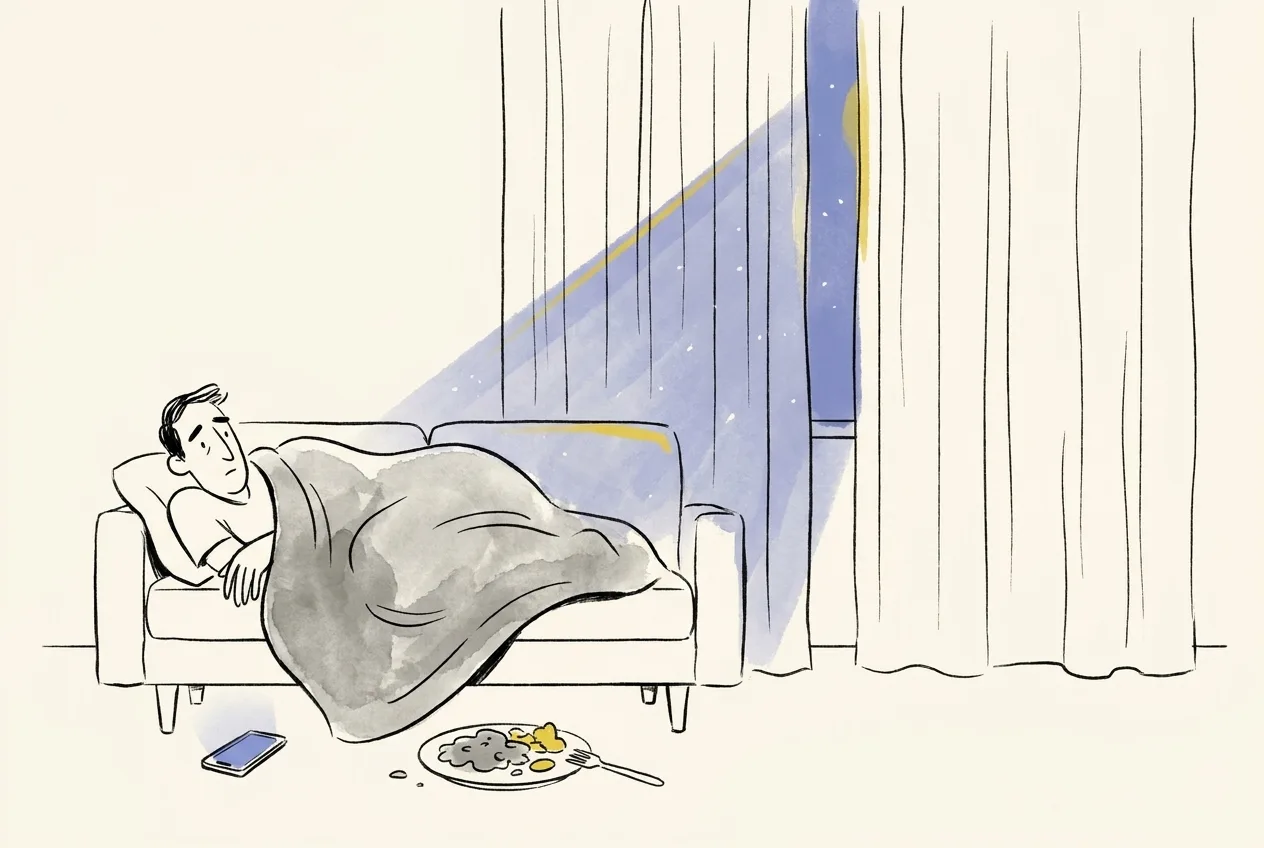
Depression isn’t just feeling sad. It can feel like numbness, exhaustion, irritability or a gray fog that won’t lift. It’s one of the most common health conditions in the US — and one of the most treatable.
The nine symptoms doctors look for
Depression is diagnosed when at least five of these are present most of the day, nearly every day, for two weeks or more — and one of them is low mood or loss of interest:
- Depressed mood — sad, empty or hopeless.
- Loss of interest or pleasure in things you used to enjoy.
- Changes in appetite or weight.
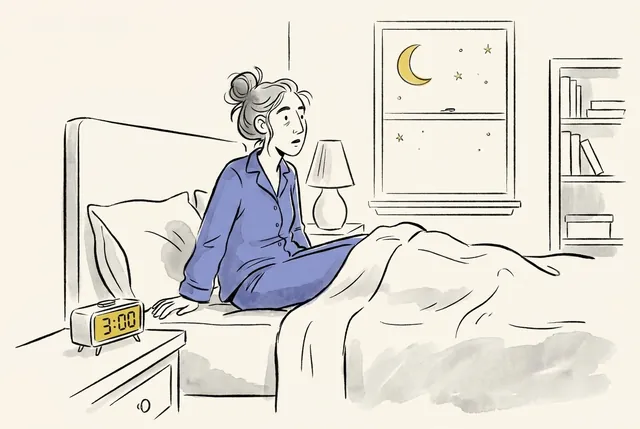
- Sleeping too much or too little.
- Moving or speaking more slowly, or feeling restless.
- Fatigue or loss of energy.
- Feelings of worthlessness or excessive guilt.
- Trouble concentrating or making decisions.
- Thoughts of death or suicide.
In men, depression often shows up as anger, irritability, drinking or working excessively. In teens, it can look like irritability and withdrawal.
How screening works
Kurt Kroenke, Robert Spitzer and Janet Williams developed the PHQ-9, a nine-question survey based on these symptoms 1. In a study of thousands of primary care patients, it identified depression accurately and measured its severity: scores of 5, 10, 15 and 20 mark mild, moderate, moderately severe and severe depression. Many US doctors now use it at routine checkups. A screening score isn’t a diagnosis — but a high score is a good reason to talk to a professional.
What treatment works
Pim Cuijpers and colleagues compared therapy, medication and their combination across dozens of trials 2. Psychotherapy and antidepressants were similarly effective in the short term, while combining them was more effective than either one alone. Effective therapies include cognitive behavioral therapy (CBT), behavioral activation and interpersonal therapy.
What you can do today
- Talk to your doctor or a licensed therapist.
- Tell someone you trust how you’re really feeling.
- Do one small thing: a short walk outside, a shower, a meal. Depression shrinks your world; small actions push back.
- Avoid alcohol, which worsens depression and sleep.
If you’re thinking about suicide
You’re not alone, and help is available right now. Call or text 988. Veterans can press 1. If you’re in immediate danger, call 911.
Frequently asked questions
Can depression go away on its own?
Sometimes mild episodes improve, but untreated depression often lasts longer and comes back. Treatment shortens episodes and lowers the risk of relapse.
Where do I start if I think I’m depressed?
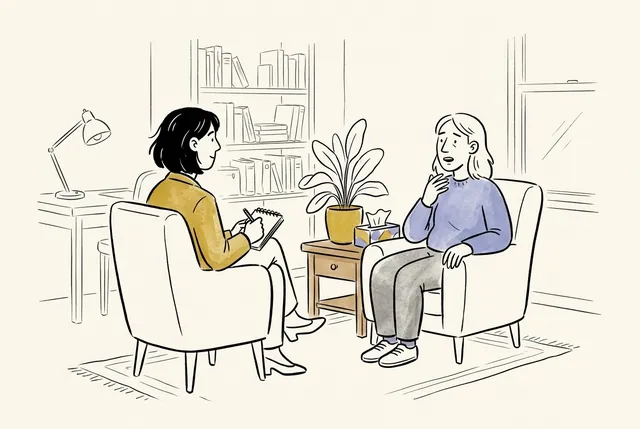
Your primary care doctor is a good first step. They can screen you, check for medical causes and refer you to therapy or prescribe medication.
Sources
- Kroenke, K., Spitzer, R. L., & Williams, J. B. W. (2001). The PHQ-9: Validity of a brief depression severity measure. Journal of General Internal Medicine, 16(9), 606–613. doi:10.1046/j.1525-1497.2001.016009606.x
- Cuijpers, P., Noma, H., Karyotaki, E., Vinkers, C. H., Cipriani, A., & Furukawa, T. A. (2020). A network meta-analysis of the effects of psychotherapies, pharmacotherapies and their combination in the treatment of adult depression. World Psychiatry, 19(1), 92–107. doi:10.1002/wps.20701
Evidence-based · Human-centered · Practical — how we write and fact-check our articles.
This article is for educational purposes and does not replace advice from a licensed professional. We cite original research and update articles when new evidence appears. Spotted an error? Let us know — see our editorial policy.
If you or someone you love is in crisis, call or text 988 (Suicide & Crisis Lifeline). Veterans: dial 988, then press 1.