What to do instead of punishment: discipline that works
Spanking doesn’t improve behavior and is linked to more problems later. Here’s what research says works better — from positive attention to calm consequences.
Spanking is linked to more aggression, behavior problems and mental health difficulties in children, and to no lasting benefits, according to a meta-analysis of 75 studies. The American Academy of Pediatrics advises against it. Parent training research shows what works instead: plenty of positive time together, clear and consistent rules, praise for good behavior and calm, brief consequences like time-outs.
- Spanking isn’t linked to better long-term behavior — and is linked to more problems.
- The most effective parenting programs build positive interaction first.
- Consistent, calm consequences work better than harsh punishment.
You’ve asked three times. Your kid is still throwing sand at the playground. Your hand twitches. In the moment, a swat on the bottom can feel like the only thing that works. Here’s what decades of research say.
What research shows about spanking
Elizabeth Gershoff and Andrew Grogan-Kaylor analyzed 75 studies involving more than 160,000 children 1. Spanking was linked to more of the very problems parents want to prevent: aggression, antisocial behavior, mental health problems and a weaker parent–child relationship. It was not linked to better behavior over time. Its associations with harm pointed in the same direction as those of physical abuse.
In 2018, the American Academy of Pediatrics recommended that parents not spank, hit or use harsh verbal punishment.
What works instead
Jennifer Kaminski and colleagues compared dozens of parent training programs to see which ingredients made the biggest difference 2. The most effective programs taught parents to:
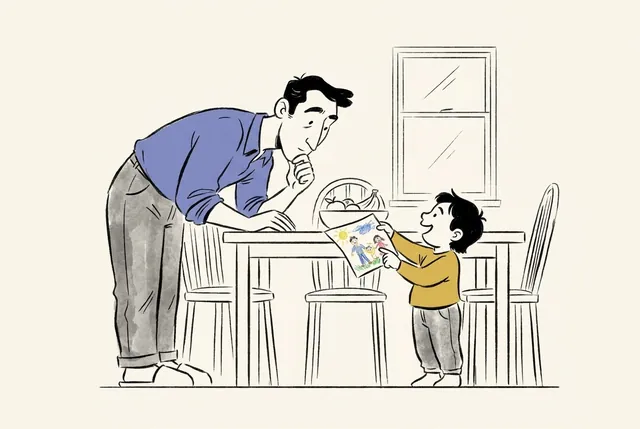
- Increase positive interactions — play, attention and warmth.
- Communicate about emotions and listen actively.
- Use time-out correctly — brief, calm and consistent.
- Be consistent in responding to behavior.
- Practice new skills with their child during the program, not just learn about them.
A toolkit for everyday discipline
- Special time. Ten minutes a day of child-led play. It reduces misbehavior more than you’d expect.
- Catch them being good. “Thanks for putting your shoes away!” Specific praise teaches what you want.
- Clear, short instructions. “Please put the sand down,” not “How many times do I have to tell you…”
- Logical consequences. Throw sand, leave the sandbox. Calm, brief, related to the behavior.
- Time-out for young kids: a few minutes in a boring spot, then a fresh start.
- Repair. If you lose your temper, apologize. It models what you want your child to learn.
Getting support
Programs like Parent-Child Interaction Therapy (PCIT), Triple P and Incredible Years are widely available in the US. Your pediatrician can refer you. If you feel overwhelmed and worried you might hurt your child, call the Childhelp hotline at 1-800-422-4453 — it’s for parents too.
Frequently asked questions
I was spanked and turned out fine. Why not use it?
Many people turn out fine despite spanking, not because of it. On average, it makes problems more likely, and there are approaches that work better.
Are time-outs harmful?
Brief, calm time-outs used within a warm relationship are among the best-supported tools in parent training research.
Sources
- Gershoff, E. T., & Grogan-Kaylor, A. (2016). Spanking and child outcomes: Old controversies and new meta-analyses. Journal of Family Psychology, 30(4), 453–469. doi:10.1037/fam0000191
- Kaminski, J. W., Valle, L. A., Filene, J. H., & Boyle, C. L. (2008). A meta-analytic review of components associated with parent training program effectiveness. Journal of Abnormal Child Psychology, 36(4), 567–589. doi:10.1007/s10802-007-9201-9
Evidence-based · Human-centered · Practical — how we write and fact-check our articles.
This article is for educational purposes and does not replace advice from a licensed professional. We cite original research and update articles when new evidence appears. Spotted an error? Let us know — see our editorial policy.
If you or someone you love is in crisis, call or text 988 (Suicide & Crisis Lifeline). Veterans: dial 988, then press 1.